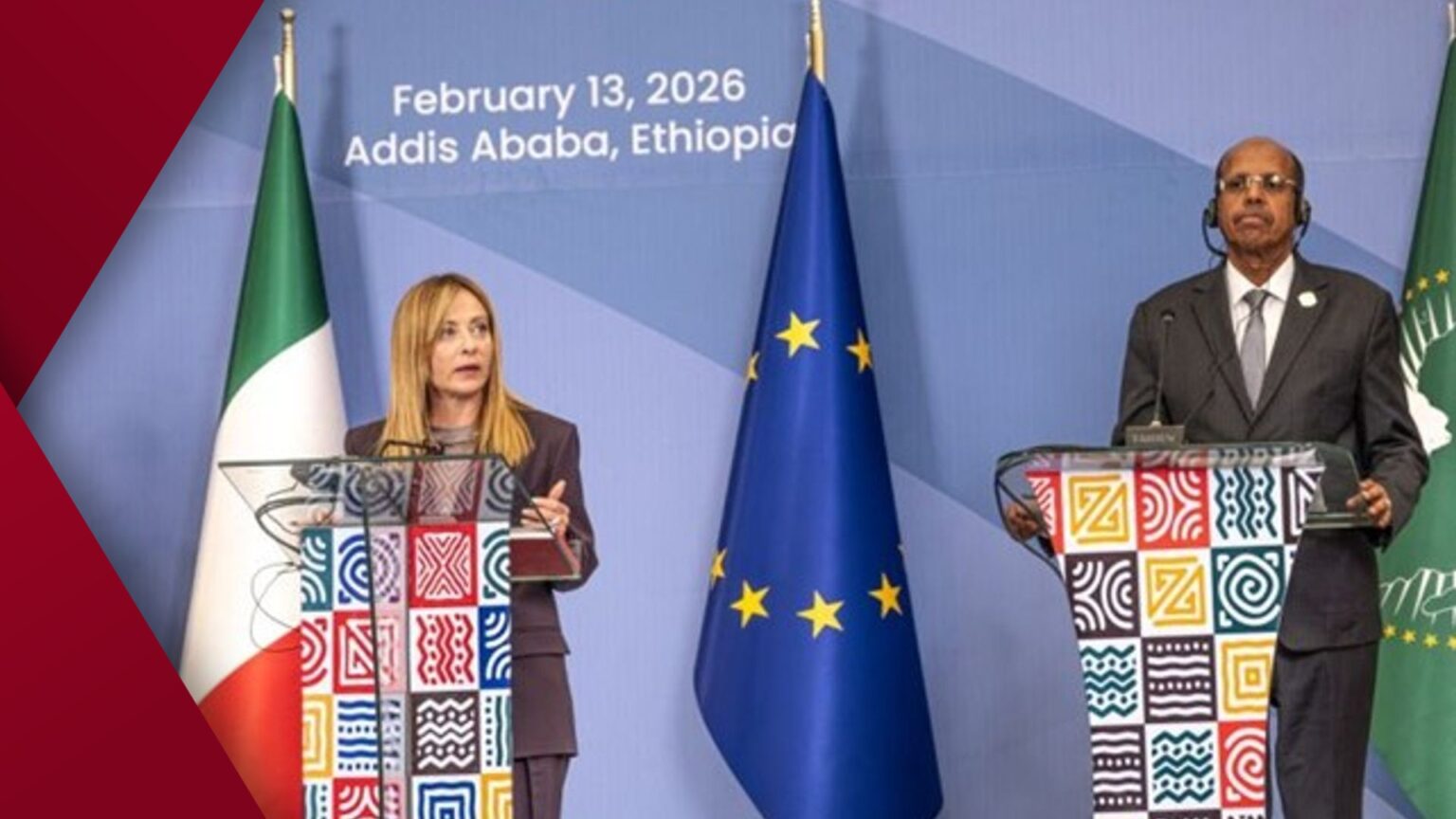
Addis Ababa, Ethiopia — The African Union’s weekend statement on Persian-Gulf tensions has triggered a wave of online complaints that the body speaks loudly on distant disputes while staying muted on wars inside Africa, official statements indicate.
According to local reports, commission chair Mahmoud Ali Youssouf published a routine diplomatic note on Sunday warning that attacks on Gulf energy and shipping lanes could disrupt global supply chains and hurt African economies. Within hours the post filled with replies asking why similar urgency is not shown for Sudan’s ongoing fighting, coups in the Sahel and other continental crises.
Official statements indicate the union has condemned Sudan’s violence and backed mediation since clashes began, but commentators note that public statements arrive later and carry softer language than remarks on external events.
Regional officials confirmed that the AU Peace and Security Council has authorised peacekeeping missions in Somalia and elsewhere, yet lacks its own troops and relies on pledges from member states, sources close to the matter. Independent observers say budget limits partly explain the gap.
The 55-member body still depends on external donors for a large share of operational funds, including support for its peacekeeping budget, according to local reports.
A planned 0. 2 percent levy on eligible imports to fund the union has been adopted by only a fraction of governments and remains unevenly applied, sources.
The government stated in a communiqué that Gulf instability can raise oil prices, disrupt air cargo and affect remittances from African migrants in the Middle East, making the statement consistent with continental interests. Still, public frustration appears to focus on visibility: citizens want rapid, detailed updates on African conflicts rather than briefings issued after closed-door sessions, regional officials confirmed. Further details are expected when the AU Commission briefs member-state ambassadors later this week.