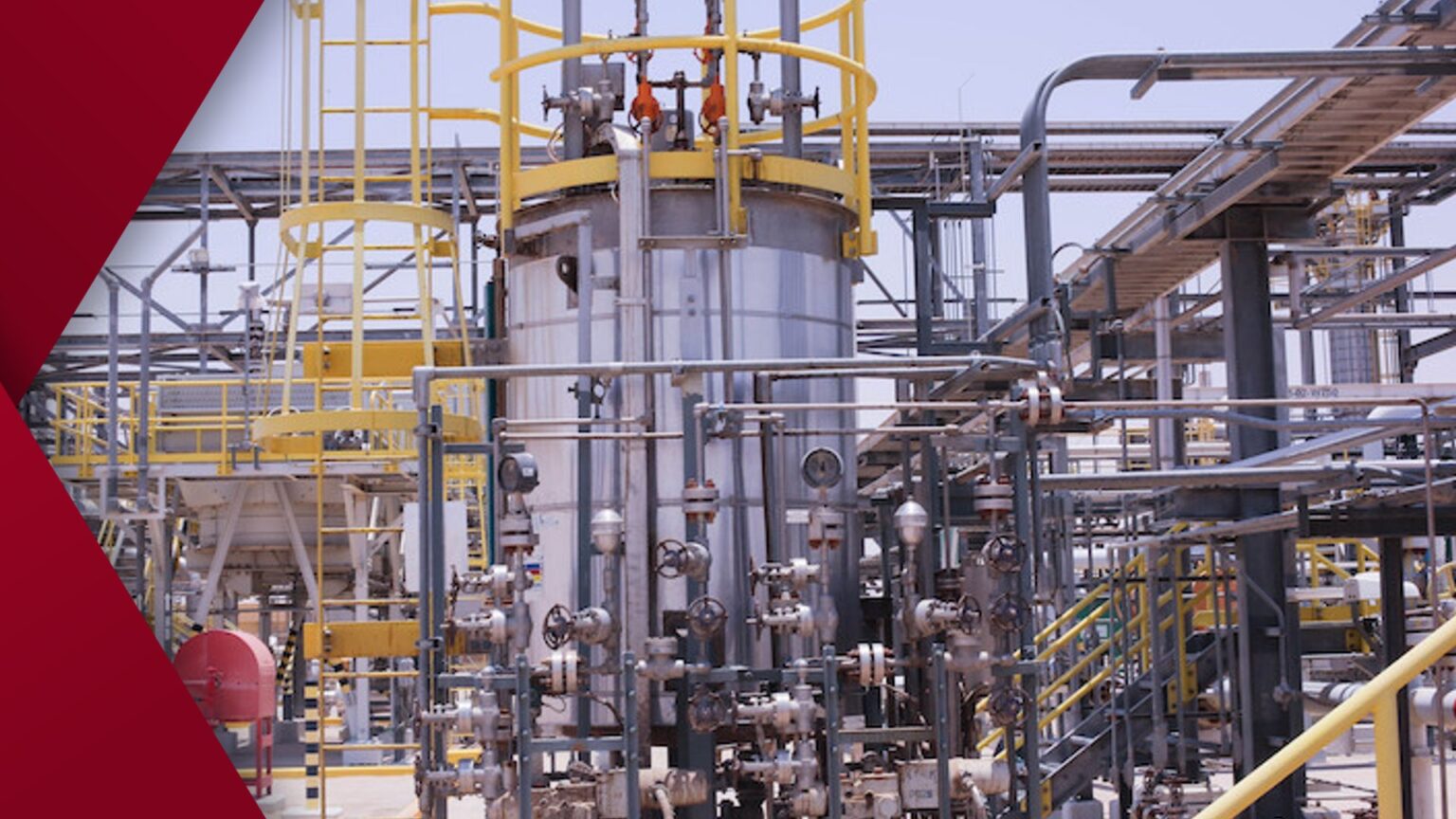
Nigeria’s Dangote Oil Refinery Achieves Full Design Capacity. Lagos, Nigeria — The Dangote Oil Refinery, located in Lagos, Nigeria, has reached a significant milestone by achieving its full design capacity of 650,000 barrels per day. This achievement marks a significant step forward for Nigeria’s downstream petroleum sector and enhances the regional fuel supply.
According to local reports, the Dangote Oil Refinery, which is Africa’s largest single-train refinery, was officially inaugurated by Nigeria’s President Muhammadu Buhari in May 2025.
The refinery’s expansion and operation have been closely watched by industry experts and regional stakeholders. Its successful operation as originally designed is expected to contribute significantly to the country’s economic growth and energy security.
The government stated in a communiqué that the refinery’s achievement of full capacity is a testament to the “pioneering efforts of the Dangote Group and the Nigerian Government to transform the nation’s energy landscape.”It also highlighted the potential for job creation and the development of local industries that will benefit from the refined products produced at the facility. Regional officials confirmed that the Dangote Oil Refinery’s success could serve as a model for other African countries looking to develop their refining capabilities.
The facility is expected to help reduce the continent’s dependence on imported fuel and contribute to the region’s economic stability.
As the Dangote Oil Refinery continues to operate at full capacity, further details regarding its impact on the Nigerian economy and the wider African energy market are expected to emerge. For now, the milestone marks a significant achievement for Nigeria and the continent as a whole.
Further details are expected as the refinery continues to refine and supply fuel to meet local and regional demand.
Sources close to the matter said that the next phase of the project will focus on the development of associated petrochemical plants, which are set to further boost the nation’s industrial capacity.
.
Source: Africa.