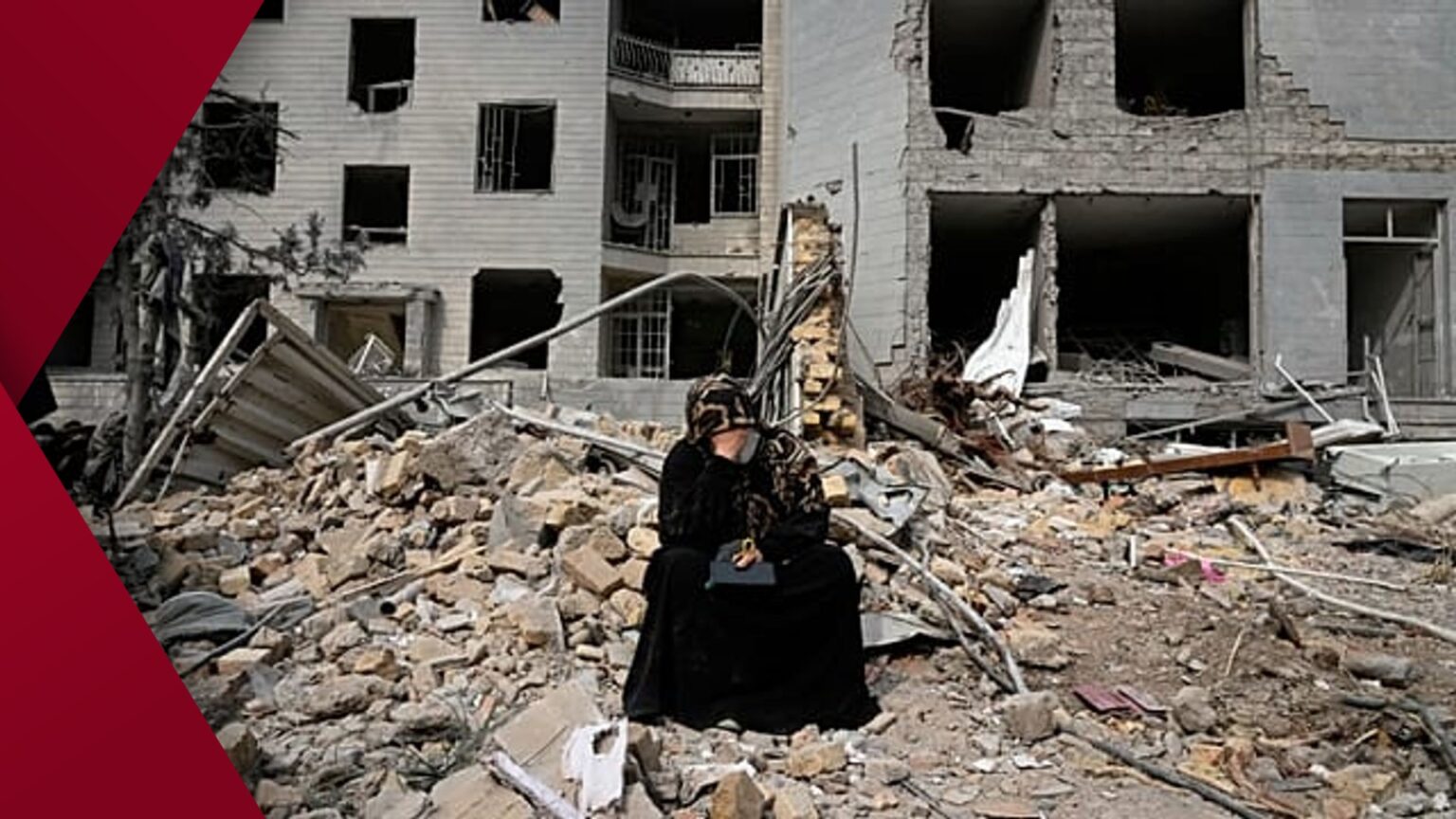
African Governments and Citizens Reflect on Middle East Escalation. Casablanca, Morocco — A growing wave of concern has swept across Africa in response to the recent escalation of tensions in the Middle East, following strikes by the United States and Israel on Iran and Iran’s retaliatory measures. Governments are calling for restraint, while citizens are increasingly focused on the potential economic repercussions.
Morocco’s King Mohammed VI has described the attacks as “abhorrent” and expressed that they violate the security and territorial integrity of Arab states. “I think this concern is mainly about the economic situation,” Mustapha Abouzir, a 38-year-old civil servant in Morocco, stated.
“As a nation, we are affected much more by what is happening at the regional level than by what is happening domestically. ” In Algeria, authorities have urged calm and called for an immediate ceasefire.
The public opinion on the streets of Algiers remains divided, with some showing sympathy for Iran’s stance against US dominance, while others worry about the possibility of further escalation.
“This war is a war of interests,” Salim Hamdi, a 26-year-old stylist in Algiers. “Each of them is pursuing its own interests.
” In Tunisia, the focus has shifted to rising prices, with some traders warning that further instability could lead to increased costs of energy, food, and precious metals.
The Economic Community of West African States (ECOWAS) has also expressed deep concern, warning that any prolonged disruption in the Persian Gulf could threaten global oil and gas flows and trigger wider economic consequences.
The Middle East tensions have raised significant concerns among African governments and citizens alike. With the potential economic fallout looming large, many are looking for clarity and stability amidst the uncertainty.