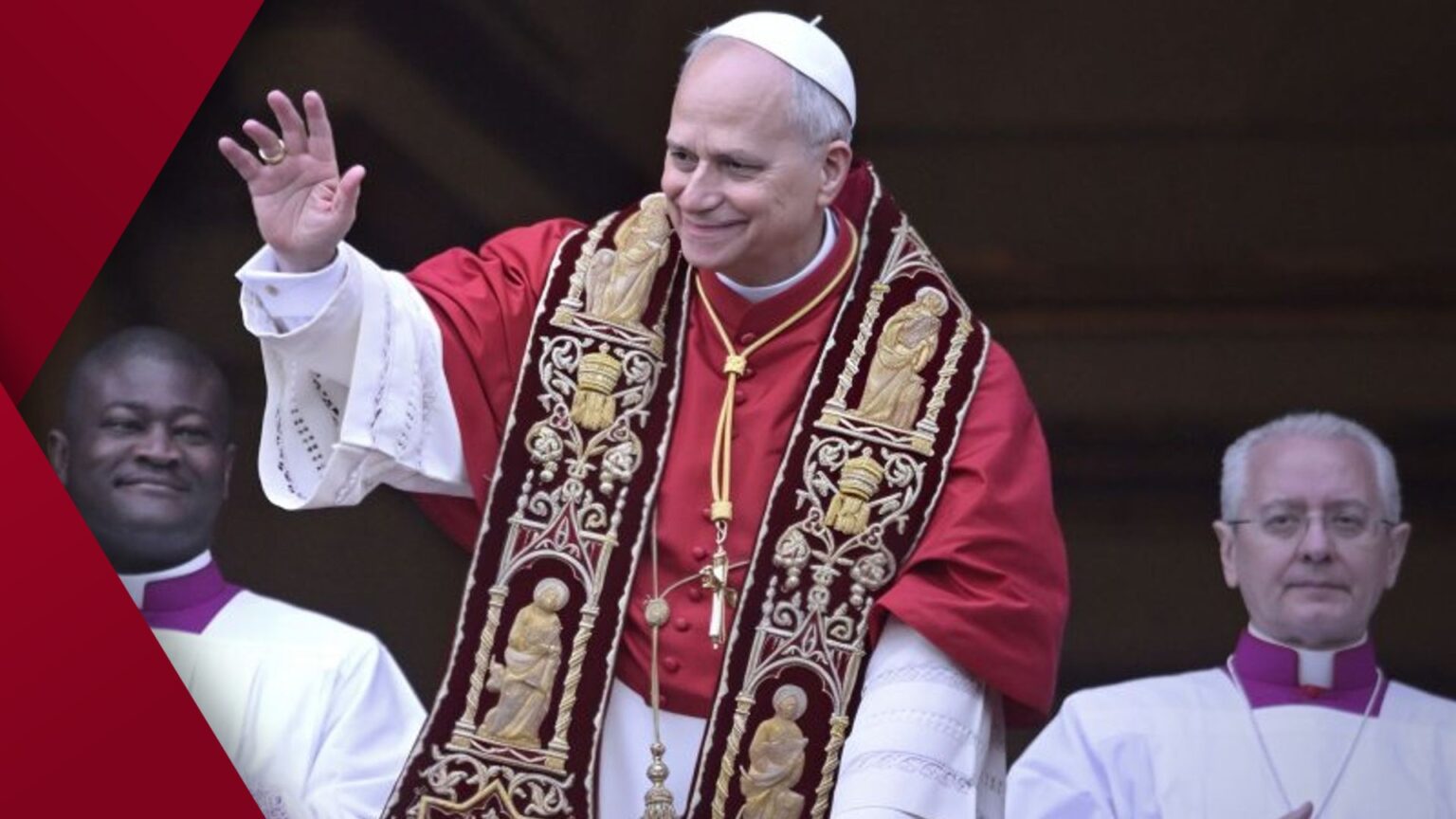
Pope Leo XIV’s Africa Trip: Symbolic Gesture or Concrete Commitment? DateLine: Vatican City — April 2026 Lead Paragraph Pope Leo XIV is set to embark on a significant apostolic journey across Africa from April 13 to 23, 2026.
The trip, spanning Algeria, Cameroon, Angola, and Equatorial Guinea, is anticipated to be more than just a symbolic visit, as it aims to focus on peace, the plight of the poor, and interfaith relations.
However, the success of the trip hinges on whether it results in tangible commitments to address governance, conflict, and inequality. Body.
The Vatican has emphasized that the visit is inspired by the memory of St.
Officials commented on the matter. This language is both promising and potentially dangerous, as it opens the door for a visit that could be satisfied with mere symbolism, such as hugs, hymns, and headlines.
Africa’s significance in the Catholic narrative is undeniable, with about 20% of the world’s Catholics residing on the continent.
The Vatican’s reporting has highlighted Africa as the region with the strongest growth in the Catholic population, making Pope Leo XIV’s early Africa journey a future-facing statecraft move.
The timing of the trip is also politically charged. Cameroon, for instance, is entering a delicate succession window following President Paul Biya’s contested re-election in 2025.
The country faces severe humanitarian needs, with persistent violence, displacement, and climate shocks exacerbating large — scale needs.
In Equatorial Guinea, the stark contrast between oil — financed modernity and deep disparities is evident, with the World Bank warning of rising poverty risks as oil revenues decline without reform.
The itinerary of the trip is designed to traverse across various fault lines, from identity and conflict in Algeria and Cameroon to development challenges in Angola and governance issues in Equatorial Guinea.
Each stop offers an opportunity for the Pope to engage with different aspects of the continent’s challenges.
A successful papal visit would require concrete follow — through. This includes meeting those affected by conflict and displacement, naming realities without partisan language, and leaving behind mechanisms that dioceses, governments, and partners can be held accountable to.
In Cameroon, the Pope’s visit to Bamenda offers a platform to link pastoral care with conflict de-escalation.
In Algeria, the Pope can advocate for religious minorities amidst international concerns.
In Angola, the Pope should push for greater transparency and inclusive social investment.
And in Equatorial Guinea, he should call for dignity and rights in an authoritarian system while advocating for economic inclusion. Ending.
The success of Pope Leo XIV’s Africa trip will be measured not by the number of cameras that follow him, but by the changes that occur for the people he aims to serve.
Further details and the outcomes of the trip are expected in the coming weeks.