Drought and Aid Reduction Fuel Desperation in Somalia’s IDP Camps In Kismayo, Somalia, Maryam, a 46-year-old mother of six, found herself forced from her village by the combined pressures of drought and conflict. Over three consecutive seasons, failed rains have surged Somalia’s malnutrition rate. Her village, under al-Shabab control, lacks access to food supplies and poses little hope for survival.
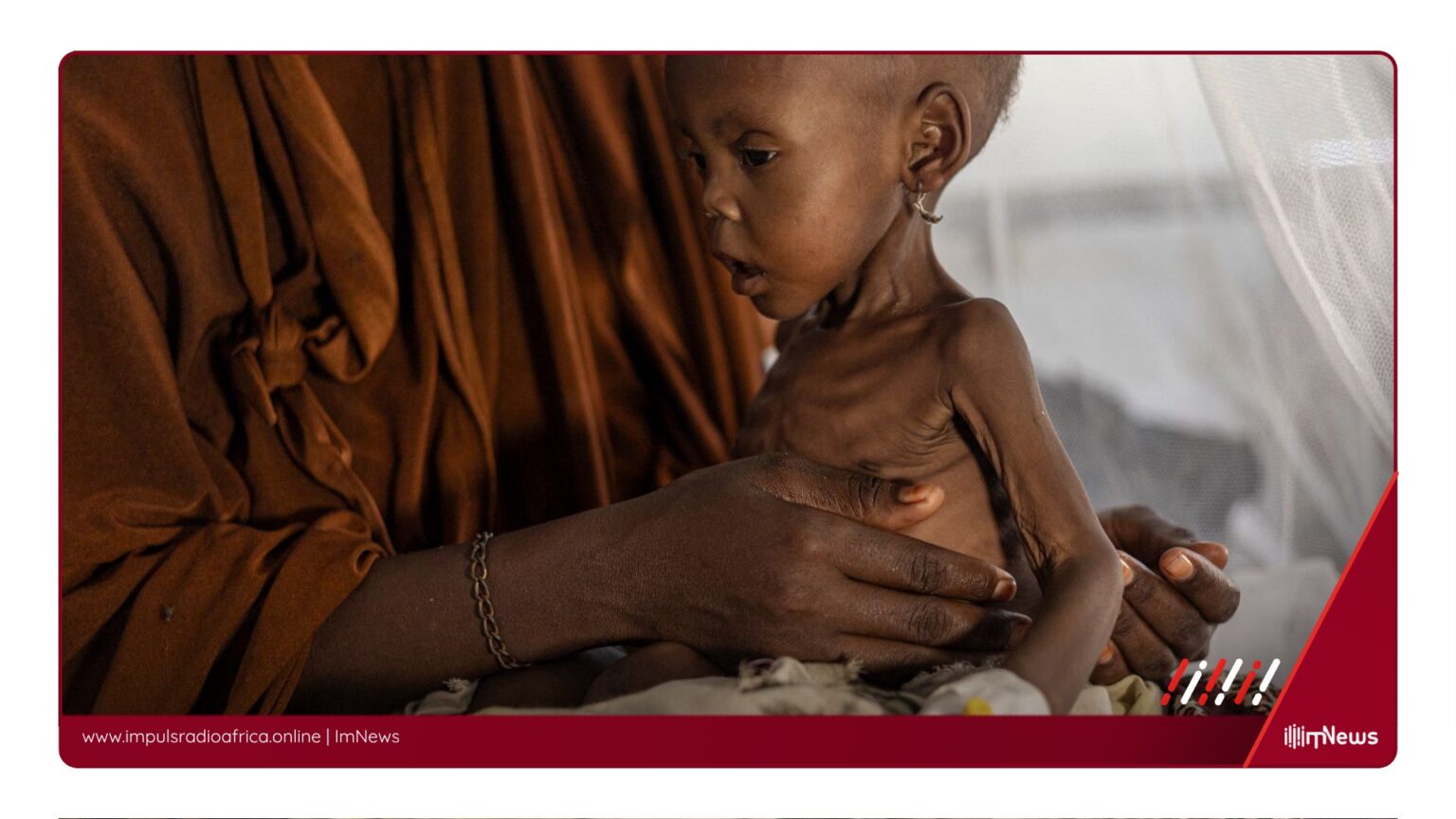
With her children in tow, Maryam embarked on a journey to Kismayo, seeking refuge in a makeshift settlement for internally displaced people (IDPs). Here, she discovered that the camp was not much of an improvement over her village, as the malnutrition rate climbed with each passing month. Since January, more than 300,000 Somalis have been displaced by these conditions.
The situation is compounded by the cessation of aid operations in the Kismayo camp, a direct consequence of aid cuts ordered by the Trump administration in the previous year. These cuts have had a significant impact on the work of NGOs such as Save the Children, which has witnessed over 200 health centers and 400 schools close since last year. Somalia, already ranked among the world’s most vulnerable to climate change, is feeling the brunt of frequent and severe weather events, such as droughts and floods, largely exacerbated by global warming.
Farmers, whose livelihoods have been destroyed by the drought, speak of it as one of the worst in Somalia’s history, a country where one-third of the population already suffered from irregular meals. Despite the upcoming rainy season, recovery will take months, and the urgency of the situation is palpable. Khadija, a mother in the camp, reflects the dire conditions, having to feed her malnourished daughter from a mobile health clinic supported by Save the Children—the sole operating facility in the region.
With beds occupied by starving infants and a lack of staff, the hospital in Kismayo is struggling to keep up.
The impact of the US — Israeli conflict on Iran has also exacerbated the situation by raising fuel prices, affecting food and water supplies.
The United Nations Office for the Coordination of Humanitarian Affairs (OCHA) has had to reduce its Somalia program from $2. 6 billion in 2023 to $852 million this year, with donations from Washington significantly reduced.
As of now, only 13 percent of this year’s target has been raised, leaving the situation increasingly desperate. “It’s a toxic cocktail of factors. Things are really, really desperate, “said Tom Fletcher, head of OCHA, reflecting the urgency of the situation.
*Additional reporting by ImNews | Sources consulted: 5*
—
This original article was produced by the ImNews editorial team
Source: aljazeera
Source: AFP