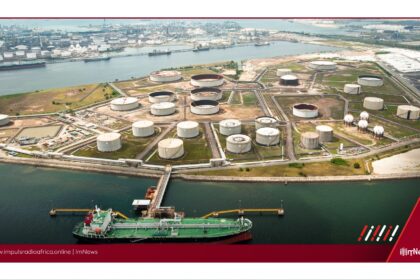
LUANDA, Angola — The Lobito Corridor, a multi-billion-dollar infrastructure project connecting Angola, the Democratic Republic of Congo (DRC), and Zambia, is transitioning from a conceptual blueprint to a practical test of its potential. This ambitious venture, aimed at bolstering Africa’s strategic role in the global race for critical minerals, is poised to transform the mining landscape in Southern Africa.
The corridor, which includes the development of over 1,300 kilometers of railway, primarily utilizing the historic Benguela railway, seeks to facilitate the export of copper and cobalt, crucial for the energy transition. With over $2. 7 billion in pledged investments, the project is not only a financial behemoth but also a cornerstone in Africa’s economic development strategy.
While the corridor is seen as a response to China’s dominance in African mining, it represents a strategic move by the West to secure access to critical minerals.
The European Union, through its member states and the European Investment Bank, has committed about 2 billion euros to the project, emphasizing its commitment to economic development and regional integration.
However, the project is not without its challenges.
The corridor’s success hinges on the completion of a critical rail line in Zambia, which is estimated to require $4 billion and up to 15 years of work.
Additionally, the political uncertainty in Zambia and Angola, with upcoming elections, poses a risk of policy shifts that could impact the project’s progress.
The corridor’s potential impact extends beyond the region, serving as a demonstration of the African Development Bank’s commitment to infrastructure development and regional integration.
As the AfDB leads the project, it sets a precedent for how Africa can leverage its mineral wealth to drive economic growth and development. Despite the challenges, the Lobito Corridor stands as a significant infrastructure project with the potential to reshape the mining and economic landscape in Southern Africa.
As construction bids are evaluated and financing continues to build momentum, the corridor’s success will be closely watched by both the international community and local stakeholders alike.
*Additional reporting by ImNews | Sources consulted: 5*
—
This original article was produced by the ImNews editorial team
Source: enca
Source: Estelle.Bronkhorst