Officials commented on the matter. With 2025 recorded as one of the warmest years on record, according to the World Meteorological Organization (WMO), the planet faces an escalating crisis that demands immediate and sustained action.
The Copernicus Climate Change Service has confirmed that 2023, 2024, and 2025 were the hottest years in recorded human history.
These years have witnessed significant impacts on weather patterns and extreme weather events, a trend that has accelerated the planet’s warming rate to a level not seen since the late 19th century.
In Europe, the fastest — warming continent, the European State of the Climate 2025 report indicates a concerning rise in temperatures. This warming is leading to shrinking snow and ice, extreme heat, drought, wildfires, and record ocean warming, profoundly impacting ecosystems and societies across the region.
Amid these developments, the WMO has launched a new financing mechanism to safeguard the critical weather forecasting backbone.
The goal is to mobilize at least US$ 100 million over the next five years to strengthen weather forecasting systems and mitigate the economic risks associated with climate change. “These systems underpin trillions of dollars in economic value and support global stability. “.
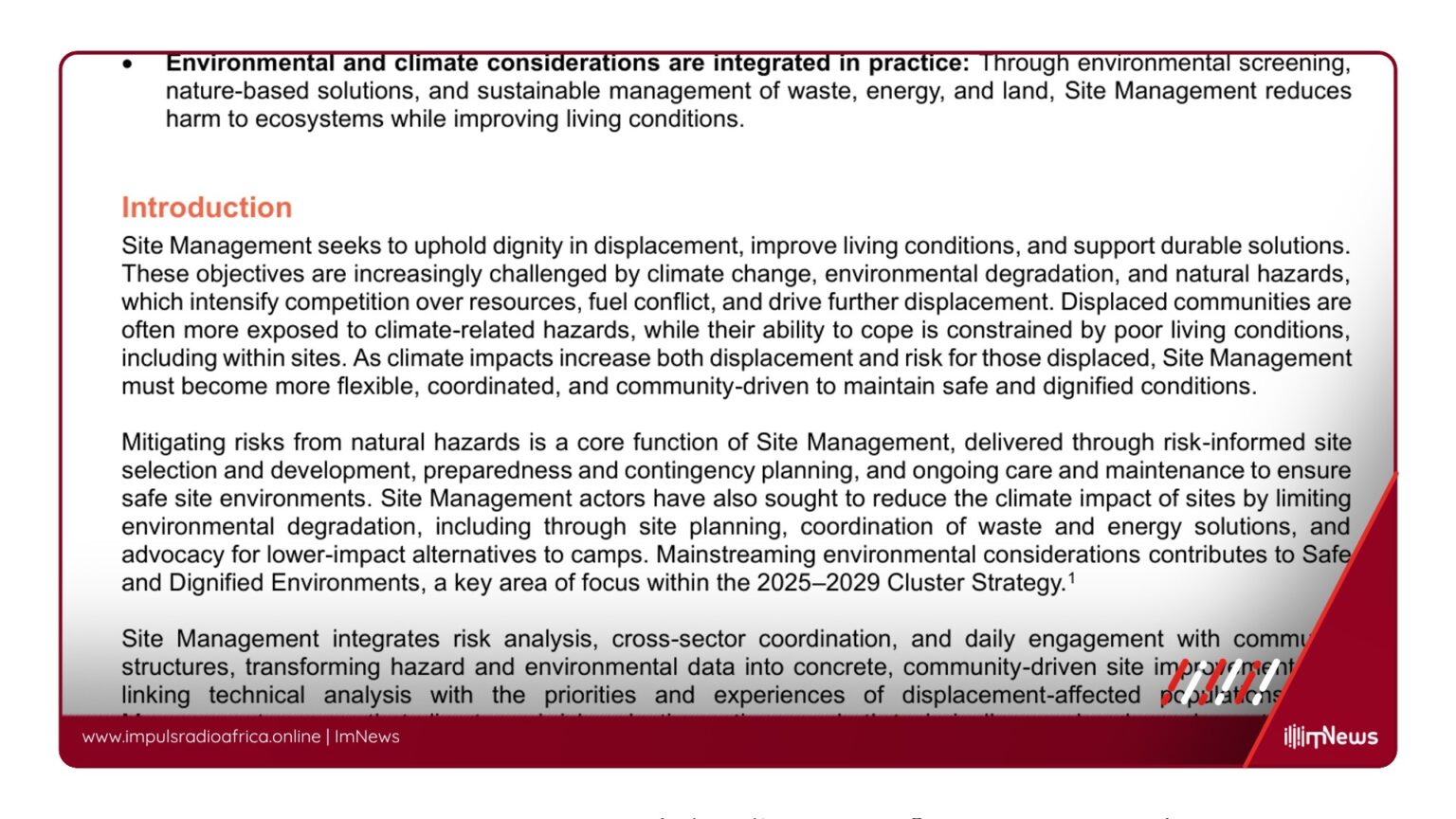
The situation is not limited to Europe; it is a global phenomenon with profound implications for biodiversity, human settlements, and economies. Climate change is increasingly shaping displacement patterns and conditions in sites, often leading to greater exposure to natural hazards and environmental degradation.
In response to these challenges, the World Environment Day 2026 focuses on climate action, emphasizing that the planet does not argue; it sends signals—ranging from rising seas to raging wildfires and heatwaves.
The theme underscores the need for immediate and decisive action to address the root causes of climate change and adapt to its impacts.
The European Central Bank has also highlighted the importance of climate change in its monetary policy, with Member of the Executive Board, Philip R. Lane, stating that global warming is no longer a distant threat.
He emphasized the need for transition policies and the implementation of Paris Agreement commitments to avoid a trajectory of warming that could lead to catastrophic outcomes.
As the impacts of climate change intensify, so does the need for innovative solutions. One such solution is the transformation of plastic waste into clean hydrogen fuel using sunlight, a breakthrough that offers a potential solution to both pollution and energy challenges, as reported by Environmental Issues News.
The United Nations and its partners are working to address the humanitarian consequences of climate change, predicting a massive increase in humanitarian needs in the near future. This increase is expected to be most pronounced in countries that are both vulnerable to the effects of climate change and have been impacted by endemic humanitarian crises.
In conclusion, the year 2026 is a critical moment in the fight against climate change.
The evidence is clear, the impacts are tangible, and the response must be global and immediate.
The challenges are immense, but so are the opportunities for innovation and collective action.
The world stands at a crossroads, and the decisions made now will shape the future of our planet and its inhabitants.
*Additional reporting by ImNews | Sources consulted: 5*
—
This original article was produced by the ImNews editorial team
Source: reliefweb
Source: CCCM Cluster