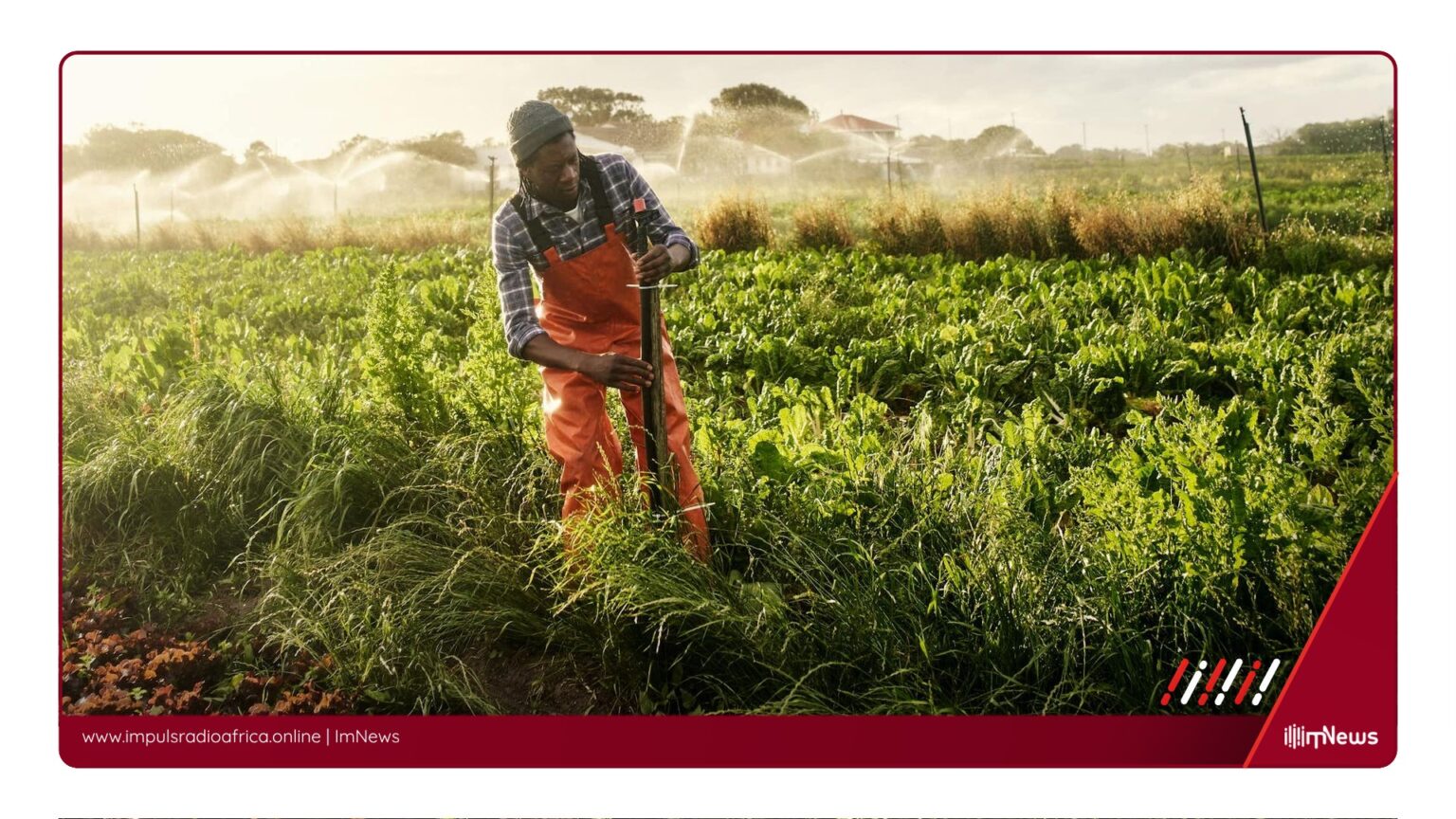
JOHANNESBURG, SOUTH AFRICA — Amidst the growing challenges of climate change and its impact on agriculture, South Africa’s smallholder farmers face a pressing issue: the underutilization of fertile land due to the collapse of irrigation systems.
In the Eastern Cape province alone, over 53% of communal land equipped with irrigation remains idle, a situation that Dr. Thulasizwe Mkhabela, a research fellow at the University of KwaZulu-Natal, believes is a critical barrier to adapting to the changing climate and increasing agricultural production.
The South African government has recognized the urgency of this situation and has launched initiatives aimed at revitalizing irrigation infrastructure to support both smallholder and commercial farmers. This push is not only about restoring the functionality of old systems but also about integrating technological advancements such as smart farming and high-capacity water storage tanks to enhance irrigation efficiency.
The country’s agricultural sector has been under pressure due to the challenges posed by climate change, and the history of land reform and redistribution has further complicated the landscape, often leaving smallholder farmers without the necessary resources to adapt to new farming practices. Dr. Mkhabela’s research emphasizes the importance of infrastructure improvement and technology adoption in addressing these challenges.
Revitalizing irrigation schemes is crucial for smallholder farmers to adapt to climate change and increase production.
The government’s focus on provincial initiatives and the adoption of modern irrigation technologies is a strategic move to enhance food security and combat poverty.
However, the path to successful revitalization is fraught with challenges. While there is a push for technological solutions, the underlying issues of broken infrastructure and high electricity costs remain significant hurdles.
The cost of adopting new technologies, particularly for smallholder farmers, is a concern that must be addressed to ensure equitable access to improved irrigation systems.
The current status of government — led irrigation revitalization projects in South Africa is a matter of interest. It is unclear how effective these projects have been in restoring irrigation systems and supporting farmers.
Additionally, the economic impact of irrigation infrastructure development on smallholder farmers is yet to be fully assessed.
As smallholder farmers adapt to the shift towards climate — resilient and high-efficiency irrigation systems, it is crucial to understand how they are navigating this transition. Are they receiving adequate support and training to utilize new technologies effectively? What is the impact of these changes on their productivity and livelihoods?
The overall food security situation in South Africa is inextricably linked to the success of these irrigation projects. If implemented correctly, they could significantly improve the country’s agricultural output and contribute to a more sustainable food system.
However, the long — term success of these projects hinges on their ability to address the complex challenges faced by smallholder farmers, including access to finance, technical expertise, and sustainable water management practices.
In conclusion, the revitalization of irrigation schemes in South Africa represents a critical step towards building a more resilient agricultural sector. While the potential benefits are significant, it is essential that the government and other stakeholders address the challenges of infrastructure, technology adoption, and cost to ensure that the benefits of these projects are equitably distributed and sustainable in the long term.
*Additional reporting by ImNews | Sources consulted: 5*
—
This original article was produced by the ImNews editorial team