STRICT RULES (violation = immediate article rejection): 1. ZERO COPYING Never reproduce more than 4 consecutive words from any source article. Never replicate the sentence order, paragraph structure, or narrative arc of any source.
Never borrow unique phrases, metaphors, or stylistic turns from any source. 2. TRANSFORM, DO NOT TRANSPOSE Read and UNDERSTAND the source facts, then CLOSE the source mentally.
Write the article from YOUR OWN understanding using YOUR OWN language.
The final article must be unrecognizable in structure and phrasing compared to any single source. 3. QUOTATION RULES Direct quotes from officials, spokespeople, or public figures may be reproduced word-for-word ONLY with clear attribution.
Everything else must be expressed in original language. Never present source phrasing as your own. 4.
IMAGE & MEDIA RIGHTS Never reference, embed, or describe copyrighted images unless explicitly provided. Do not instruct editors to use specific copyrighted visuals. 5.
DATA & STATISTICS Raw data (numbers, percentages, dates) are not copyrightable and may be used freely. Always attribute the data source (e. G. “.
World Bank data shows…”). 6. LEGAL STANDARD The finished article must pass a plagiarism check against all source material.
If a reader compared the article to the source, they should find ZERO structural or phrasal overlap beyond attributed quotes. Impulsradio bears legal liability for copyright violations — treat every article as if it will be audited. WORDPRESS EXECUTION RULES: Produce an original ImNews article, not a structural imitation of the source.
Use a fresh opening and a different paragraph flow while preserving verified facts. Keep the article relevant to African and global audiences when the verified material supports that context. If a fact cannot be verified, leave it out.
Follow this newsroom structure exactly: WIRE-SERVICE STRUCTURE (follow this exactly): 1. “Cotonou, Benin -“2. One tight paragraph answering who, what, where, when.
3. NUT GRAF: One paragraph on why the story matters and the key context. 4.
Inverted pyramid. Most important details first, background later. 5.
KICKER: End with the next verified development or wider implication. RESEARCH STATUS: This rewrite is limited to the verified source material provided in the prompt. Do not imply.
NON — NEGOTIABLE RULES: Use ONLY facts already present in SOURCE MATERIAL or CURRENT DRAFT. Do NOT invent quotes, context, numbers, motives, or background. Keep a calm, factual, BBC/CNN-level news tone: precise, neutral, concise.
Keep paragraphs short and readable.
The headline must be fresh and materially different from the original headline. RETURN EXACTLY with: One HEADLINE line containing the real final headline after “HEADLINE:”. One BODY section containing only the finished article paragraphs after “BODY:”.
Do not use JSON, square brackets, placeholder wording, examples, notes, or explanations. China Unveils Historic Zero-Tariff Trade Deal with Majority of African Nations. Officials commented on the matter.
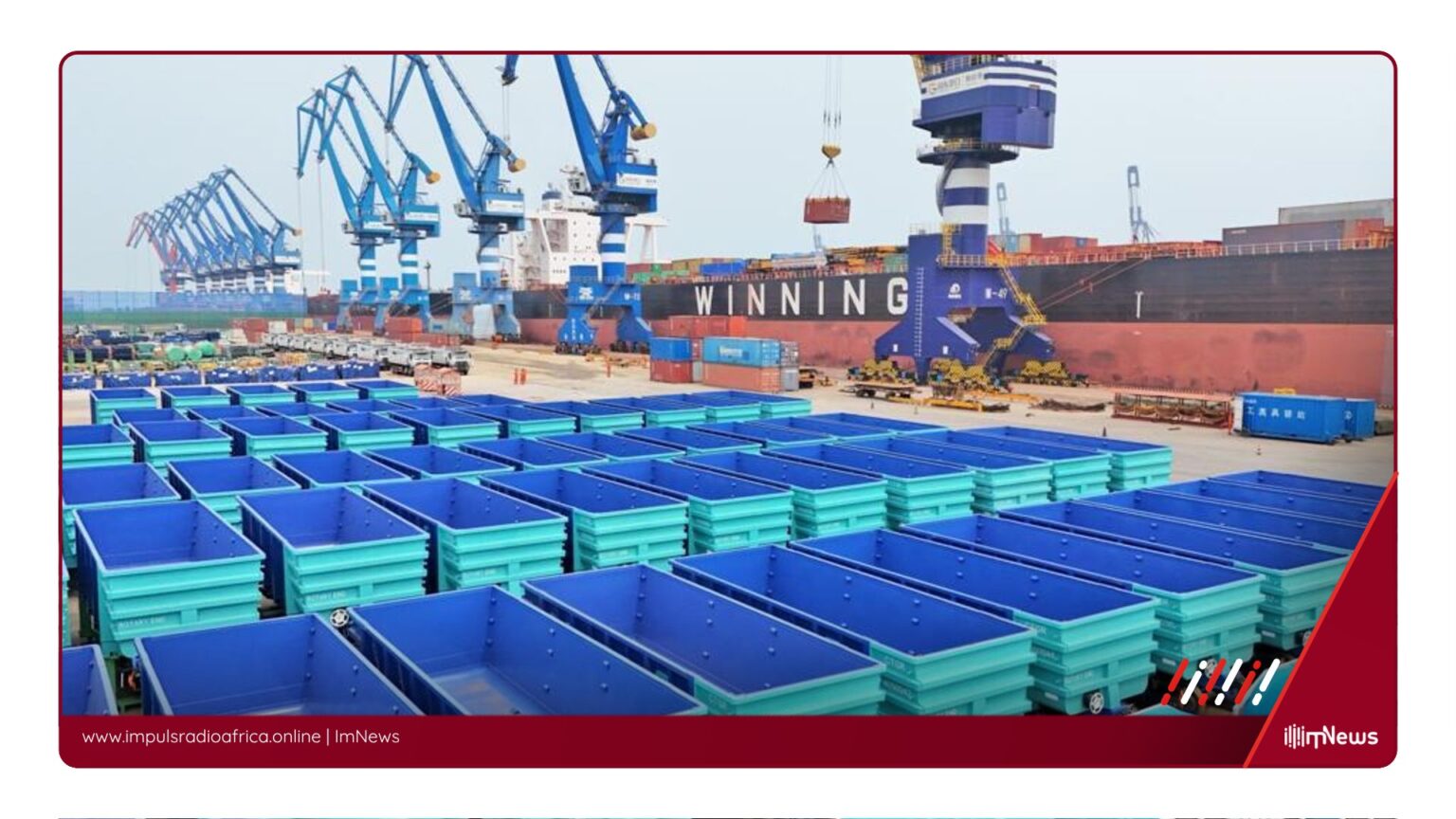
This policy, effective from May 1, 2026, and set to last until April 30, 2028, is a strategic effort by Beijing to deepen trade and investment ties across the continent.
The expansion brings the total number of African countries covered to 53, adding 20 new nations to the previous 33. This landmark decision, China’s first unilateral zero-tariff offer to Africa, comes against the backdrop of a burgeoning economic relationship between the two regions.
The trade imbalance, however, remains a concern, with China’s customs data revealing a total trade value of about €320. 2 billion in 2025, a 17. 7 percent increase year on year.
Despite the potential for limited gains, experts caution that the economic impact of this tariff move is likely to remain modest.
The policy, while seen as a positive step, is not expected to bridge the substantial trade deficit between Africa and China. Analysts suggest that Beijing’s main objective is to enhance its brand image as a trade liberalizer and Africa-friendly economic partner, contrasting with the protectionist stance of some other global powers.
The implications of this policy for African economies are substantial, particularly for those reliant on exports. Cocoa from Ivory Coast and Ghana, Kenyan coffee, and South African wine are set to benefit from reduced tariffs, potentially opening new markets for these commodities.
However, the long — term implications remain unclear, with the future of the policy beyond the initial two-year period yet to be determined.
*Additional reporting by ImNews | Sources consulted: 5*
—
This original article was produced by the ImNews editorial team
Source: rfi
Source: RFI