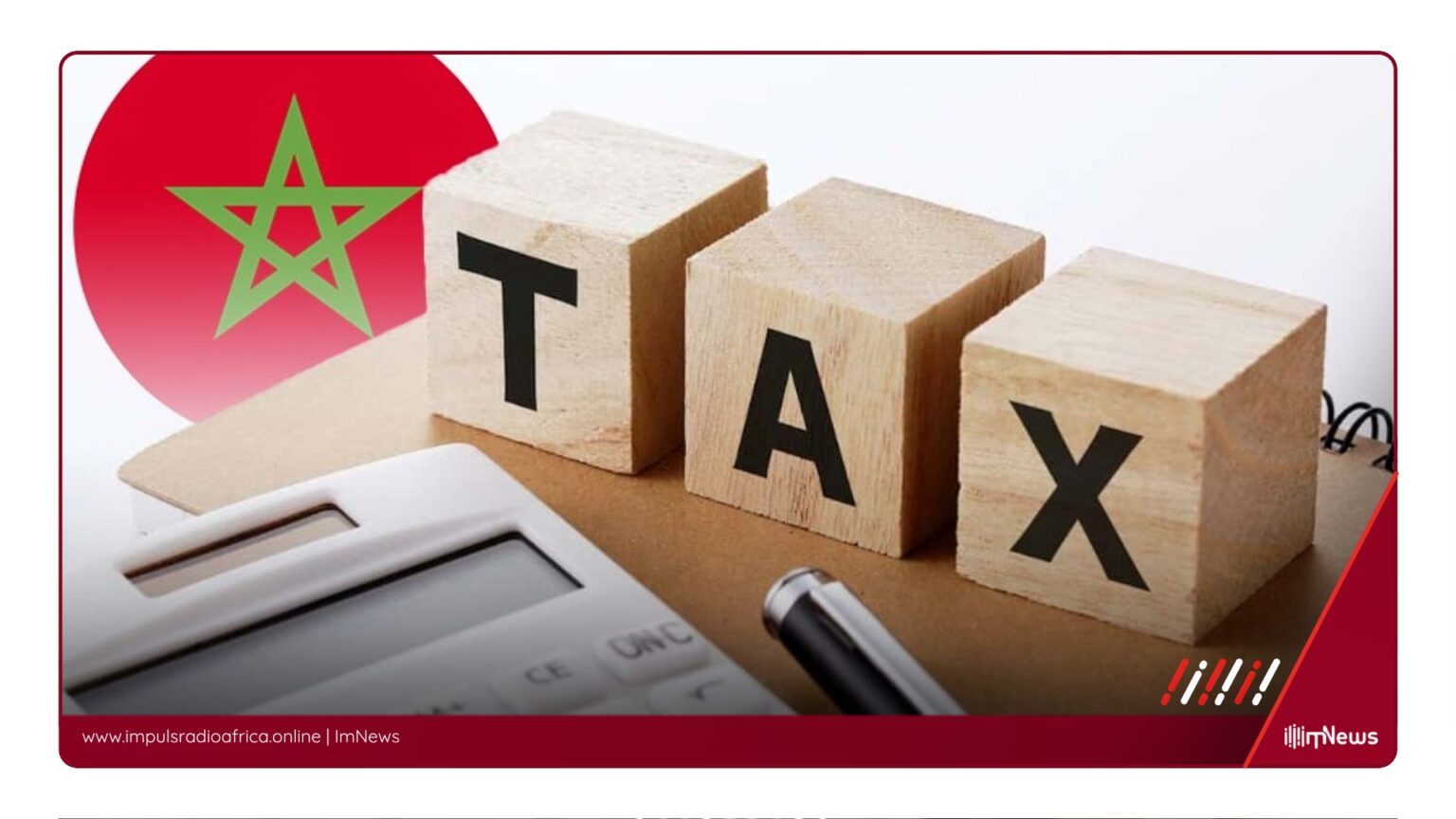
Fez, Morocco — Morocco’s recent adoption of Law 14/25 signifies a landmark shift in the nation’s fiscal landscape. This legislation entrusts regional and local authorities with enhanced financial autonomy, a move designed to bolster their financial independence and diminish reliance on state budget transfers.
The law, a pivotal component of Morocco’s regionalization strategy, aligns with the broader objective of modernizing the local tax system. It is a testament to the government’s commitment to simplifying tax processes and improving governance at the territorial level, as highlighted by Economy and Finance Minister Nadia Fettah Alaoui. Under the new framework, the General Directorate of Taxes (DGI) assumes responsibility for housing tax and communal services tax collection, marking a significant change in tax administration.
This redistribution of fiscal authority is intended to foster a more efficient tax collection process and boost local development.
The reform is not merely technical; it represents a profound shift in Morocco’s governance model, emphasizing accountability and responsibility at the local level. It also redefines the roles of public institutions, aligning responsibilities previously managed by the Treasury with the mandates of local authorities.
The implications of this reform are substantial. It is anticipated that the changes will lead to improved tax collection efficiency, higher revenues, and stronger local development. Moreover, it provides local tax collectors with expanded authority, including enforcement powers and legal representation in tax disputes.
As Morocco continues to advance towards deeper regionalization, Law 14/25 is poised to play a critical role in shaping the nation’s economic and social future.
*Additional reporting by ImNews | Sources consulted: 5*
—
This original article was produced by the ImNews editorial team
Source: moroccoworldnews
Source: Zayneb Elasraoui