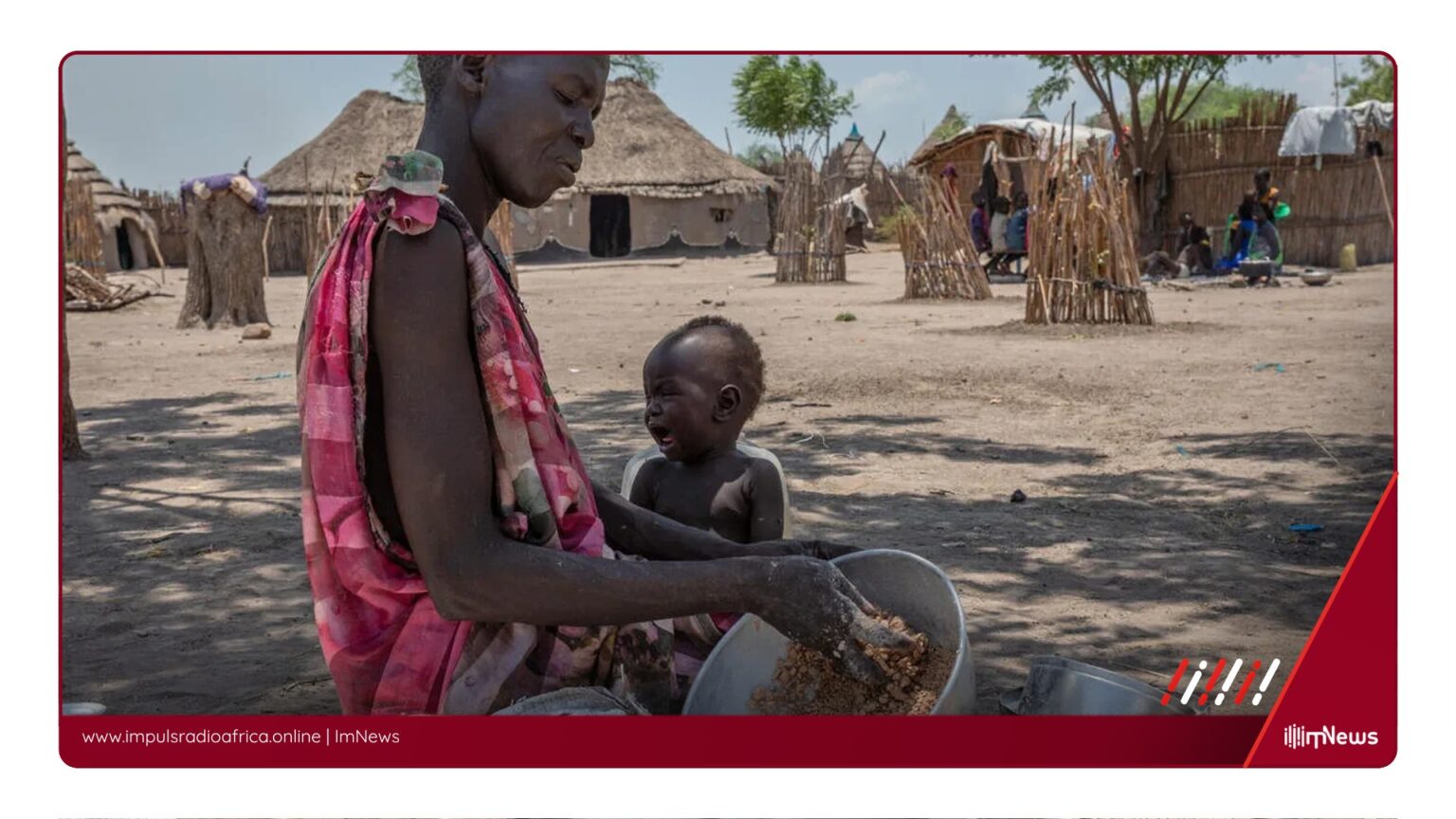
JUBA, South Sudan — Nearly half of South Sudan’s population is facing severe acute food insecurity, with over 2 million children suffering from acute malnutrition, according to a UN report.
The crisis, exacerbated by conflict, displacement, and economic challenges, is at its most critical level, with the risk of famine in certain areas. South Sudan is experiencing one of the highest levels of acute food insecurity globally, with 7. 8 million people, nearly half the country’s population, facing severe acute food insecurity.
The Integrated Food Security Phase Classification (IPC) has projected that 56% of the population will face high levels of acute food insecurity between April and July 2026, a significant increase from the last estimate. Conflict and displacement have been the primary drivers of the crisis, disrupting agricultural production and access to food.
In Jonglei, nearly 300,000 people have been displaced, isolating many communities from humanitarian assistance.
The humanitarian response plan for Sudan in 2026 is only 5. 5% funded, despite the critical need.
The UN and other international organizations are calling for immediate and sustained international support to address the crisis effectively. Without swift and substantial intervention, South Sudan risks a humanitarian catastrophe with irreversible consequences.
*Additional reporting by ImNews | Sources consulted: 5*
—
This original article was produced by the ImNews editorial team
Source: reliefweb
Source: Food and Agriculture Organization of the United Nations