Gendered Vulnerabilities and Resilience in Eastern DRC’s Food Security Crisis. Kinshasa, DRC — April 21, 2026 — The Democratic Republic of the Congo’s (DRC) eastern provinces are confronting a profound food security crisis, with the October 2025 IPC projecting that 26. 7 million people will face acute food insecurity from January to June 2026.
This figure includes 38% of the population in Eastern DRC, placing the region among the world’s most severe food crises.
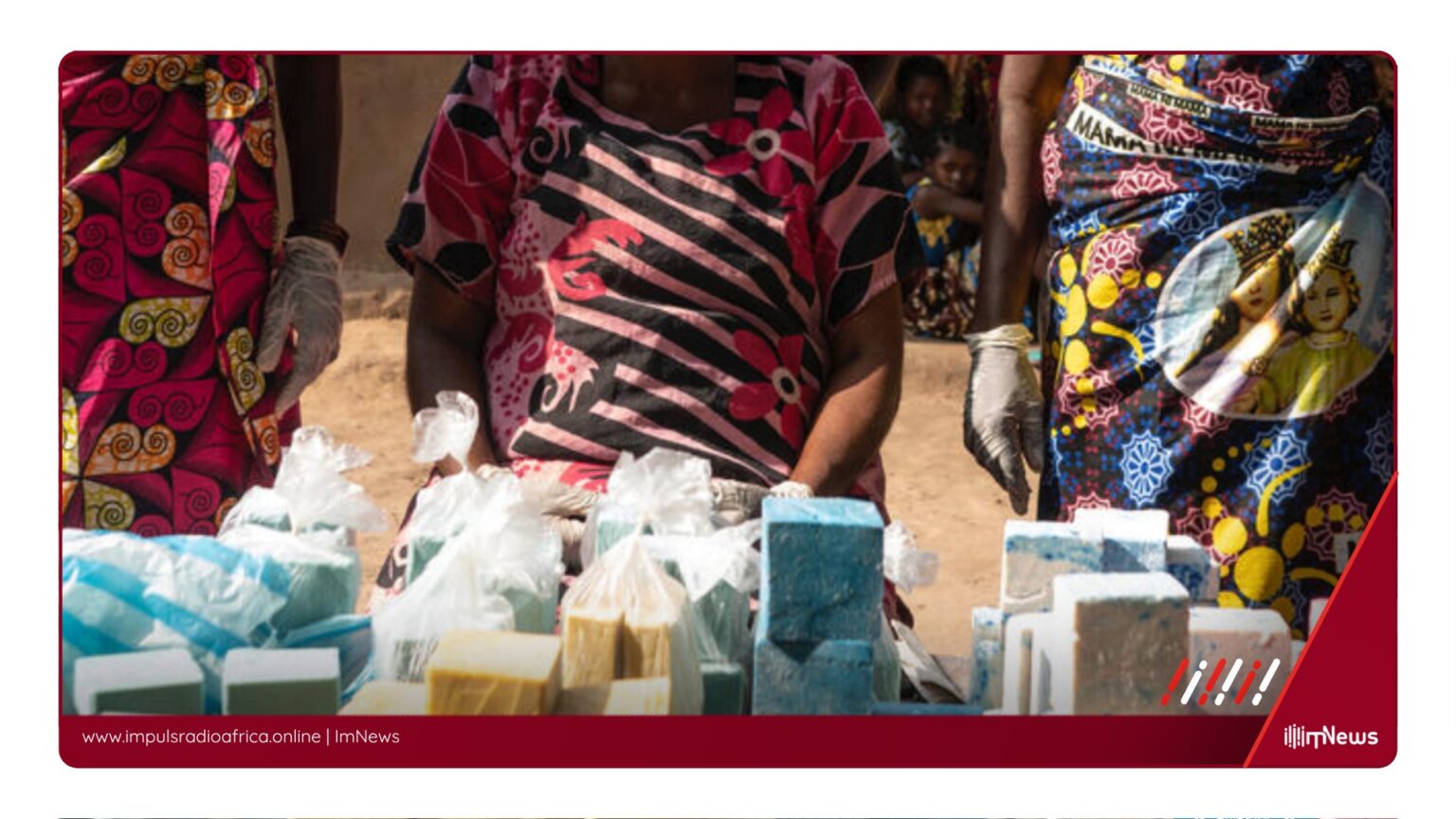
A mixed — methods approach, utilizing data from the 2025 Joint Nutrition and Food Security Assessment and qualitative evidence from FGDs, reveals complex gender dynamics at play. Female-headed households are disproportionately affected by structural disadvantages, experiencing poorer outcomes in education, land access, and food security indicators. Despite these challenges, women demonstrate remarkable agency through adaptation, employing strategies such as small-scale agriculture and microenterprises to maintain household functioning under duress.
The report underscores that vulnerability does not equate to a lack of capacity for recovery. Households across all food security categories, including those experiencing severe food insecurity, possess the potential for recovery. This challenges the notion that humanitarian conditions automatically preclude resilience support.
Gendered labor roles and control over income significantly influence nutrition and livelihood outcomes. Women’s contributions to economic activities are shaped by gender norms and decision-making power, which also affect their ability to invest in food and productive assets.
The World Food Programme (WFP) and local organizations like SOFEPADI and MUSOs are working to empower women and build resilience through financial safety nets and community-based initiatives. Despite a significant decline in humanitarian funding, these efforts are vital for reducing long-term dependence on humanitarian assistance and fostering sustainable recovery.
As Eastern DRC grapples with its food security crisis, the international community and aid agencies must prioritize support for food assistance and resilience — building initiatives.
The implementation of these efforts is crucial for ensuring that vulnerable populations, particularly women and children, are not left behind in the fight against hunger and instability. Closing.
The future of Eastern DRC hinges on the effective integration of gender — sensitive approaches into humanitarian and resilience-building efforts. By recognizing and supporting the agency of women and addressing the root causes of food insecurity, the path to sustainable recovery can be paved, offering hope for a more resilient and secure future for all.
*Additional reporting by ImNews | Sources consulted: 5*
—
By This original article was produced by the ImNews editorial team
Source: reliefweb
Source: World Food Programme