


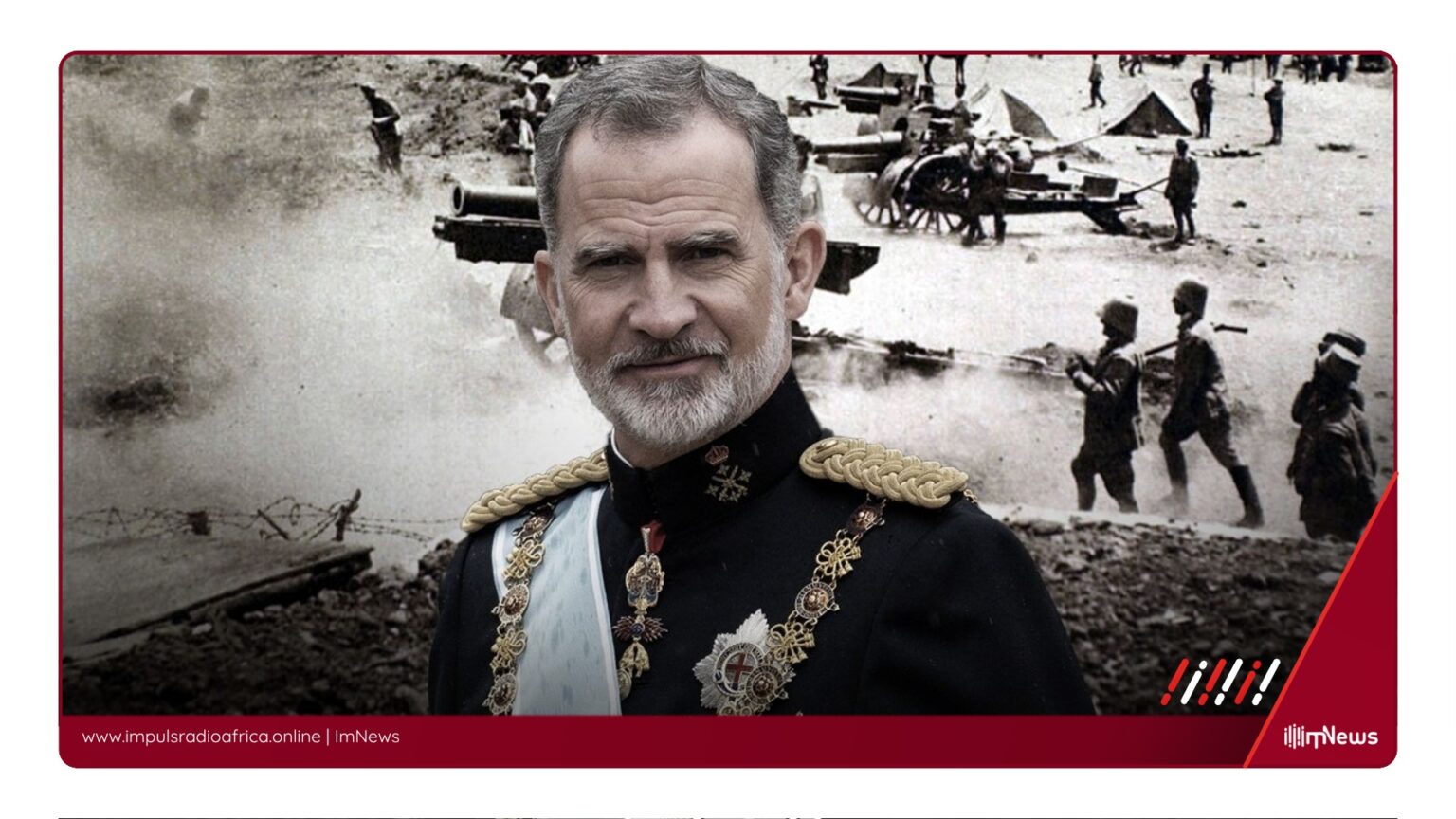
Casablanca, Morocco — Moroccan activists have rekindled their demand for Spain to publicly apologize for its use of mustard gas during the Rif War, a conflict that took place in the early 20th century. The appeal was made through the World Amazigh Assembly (AMA), a Moroccan organization advocating for cultural rights and identity. The group sent a letter to Spanish King Felipe VI, requesting recognition of “colonial-era abuses,” including the documented use of mustard gas against civilians in the Rif region in the 1920s.
The call for action follows King Felipe VI’s recent comments about Spain’s colonial past in Mexico, where he acknowledged that some historical episodes do not reflect pride when viewed through modern values. However, the King emphasized the need to study such events in context. Rachid Raha Mimoun, president of AMA, emphasized that Spain should now follow these remarks with official recognition of the chemical attacks during the Rif War.
The AMA has highlighted the lasting health consequences of the mustard gas attacks, noting that nearly 80% of cancer patients treated in Rabat hospitals come from Northern Morocco. Mimoun shared personal experiences of loss within his own family, including relatives who died from cancer. Moroccans are seeking not only an apology but also collective reparations, including healthcare infrastructure improvements and specialized oncology facilities in the region.
The letter references chemical weapons production sites in Spain, including La Marañosa near Madrid and a gas plant in Beni Ensar on the border with Melilla. The human impact of the Rif War continues to resonate in northern Morocco, particularly among families from areas exposed to chemical bombardment during the 1920s.
Historical records cited by jurist Mimoun Charqi document the authorization of 100 C-5 bombs over Arbaa Taourirt in March 1925, part of a broader campaign that targeted civilian-populated zones. This legacy is reflected in the patient flow to Rabat’s oncology hospital, where a significant number of adult and child cancer patients are from the Rif areas targeted during the war, as reported by El País in 2015.
This is not the first time the AMA has raised the issue; they first wrote to Felipe VI in February 2015 and later met with Spanish embassy officials in Rabat. The issue has also gained traction in Spanish politics, with a non-binding motion introduced in parliament by the left-wing coalition Sumar, calling for official recognition of Spanish colonialism in Morocco. Despite these efforts, no substantial response has been received from Spanish officials, including the current Foreign Affairs Minister, José Manuel Albares. The AMA president hopes that an official acknowledgment could pave the way for reconciliation between Morocco and Spain as the countries prepare to co-host the 2030 World Cup with Portugal.
Source: moroccoworldnews
Original author: Oumaima Moho Amer


