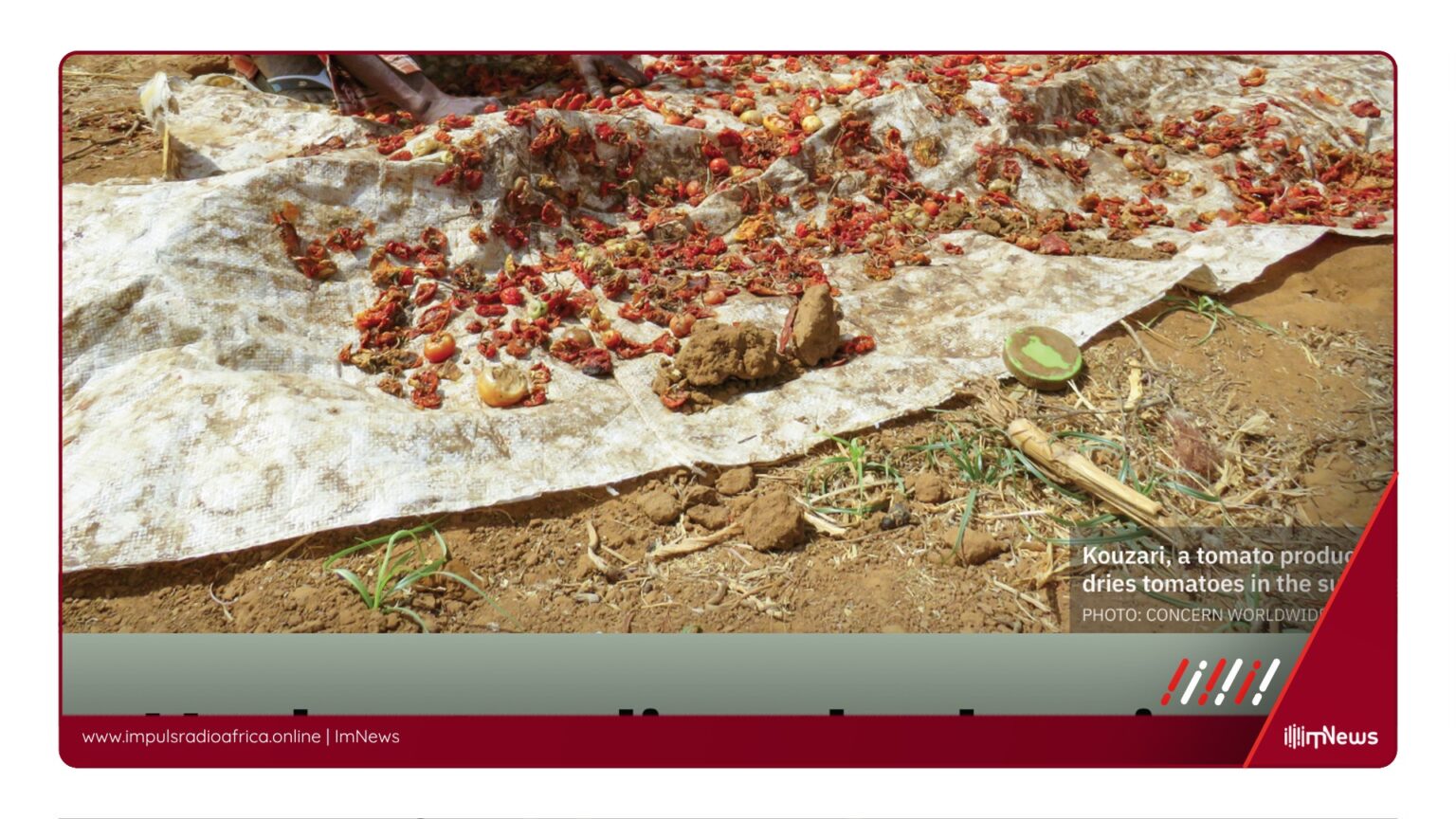
The Concern Worldwide Multi — Country Research Programme on Food Systems for Food Security (FS4FS) has recently unveiled the initial findings of its Phase 1 research. This extensive project, spanning Burundi, Liberia, and Niger, is a collaborative effort aimed at understanding the intricate barriers that hinder smallholder farmers and micro food businesses from accessing equitable market opportunities. Funded by Irish Aid, the research partnership involves Concern Worldwide, the Institute of Development Studies (IDS), the University of Burundi (UoB), the Statistical and Research Services Consortium (SRSC), and the Laboratoire d’Études et de Recherche sur les Dynamiques Sociales et le Développement Local (LASDEL).
The research delves into the social, economic, and political factors that perpetuate economic instability and marginalization among those living in extreme poverty within the food systems of these countries. The project highlights the failure of global food system transformation to benefit the most marginalized actors, who are often the backbone of these systems. It seeks to illuminate the current dynamics of interaction between smallholder farmers and micro food businesses with agri-food markets, and to identify the types of support that could enable a more equitable participation.
Central to the research is the examination of the relationships between marginalized actors and small and medium — sized enterprises (SMEs). The aim is to pinpoint interventions that could break down the economic barriers faced by those in extreme poverty. This comprehensive approach is crucial for fostering sustainable livelihoods and economic improvement in these regions.
The research findings are expected to provide valuable insights for NGOs, donor agencies, and policymakers, offering a clearer path towards enhancing market access for smallholder farmers and micro food businesses. By understanding the complexities of the food systems in Burundi, Liberia, and Niger, stakeholders can develop targeted strategies to ensure that the benefits of market participation are more evenly distributed.
Source: reliefweb
Original author: Concern Worldwide