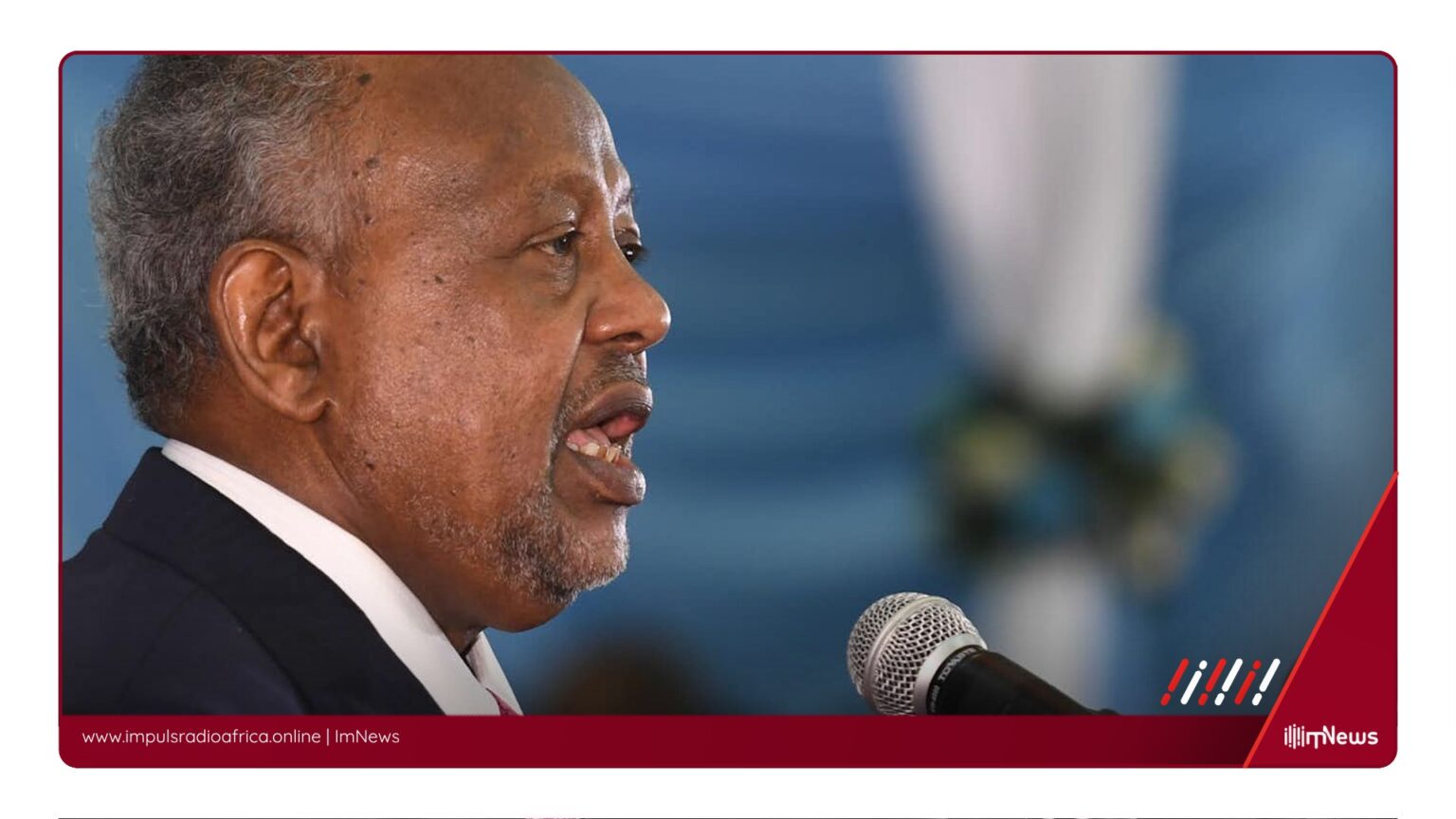
Djibouti’s President Ismaïl Omar Guelleh has successfully navigated a constitutional change that will allow him to extend his rule beyond the year 2026. In October 2025, Guelleh, who has been in power since 1999, had the presidential age limit removed, effectively eliminating the last formal barrier to his continued tenure. The upcoming elections on April 10, 2026, have been boycotted by the opposition, making Guelleh’s reelection a foregone conclusion.
Guelleh, known as IOG, succeeded Hassan Gouled Aptidon, the country’s first president, and has been a central figure in Djibouti’s politics for over two decades. The 78-year-old leader belongs to the Issa-Somali ethnic group, which has held power since the nation’s independence from France in 1977. Djibouti’s political landscape is closely tied to neighboring states, especially Ethiopia and Somaliland, reflecting the complex demographic and clan-based networks in the region.
Despite Djibouti’s formal status as a presidential republic with a multiparty system, political authority is highly centralized, with the ruling Popular Rally for Progress (RPP) party dominating both the parliament and the broader pro-presidential coalition, the Union for the Presidential Majority (UPM). The opposition, including the Union for Democratic Change (UAD) and the Union for Democratic Movements (UMD), faces significant constraints and has occasionally boycotted elections.
Guelleh’s ability to maintain his position is attributed to a combination of institutional changes, geopolitical factors, and the cohesion of the ruling elite. Over the years, key democratic safeguards have been eroded, including the removal of presidential term limits in 2010 and the abolition of the presidential age limit in 2025. Additionally, Djibouti’s strategic location at the entrance to the Bab el-Mandeb Strait, a vital shipping lane, and its hosting of several foreign military bases have contributed to the government’s stability and limited external pressure for reform.
The ruling elite’s cohesion is central to Guelleh’s leadership, with influential figures, including family members and long-standing advisors, controlling key state institutions and sectors of the economy. The absence of an openly designated successor has led to quiet competition within this circle, although it does not openly challenge the president’s authority.
Guelleh’s tenure has been marked by relative stability in Djibouti, contrasting with the ongoing insecurity and conflict in neighboring Somalia and Ethiopia. The country has positioned itself as a strategic hub, with significant state revenue generated from its port and logistics services, as well as hosting foreign military bases. However, challenges such as unemployment, high living costs, and limited political participation persist.
The recent decision to remove the presidential age limit was adopted without public debate and without dissenting votes among the 65 lawmakers present, reflecting the alignment of the National Assembly with the executive. The vote underscores the importance of elite consensus in Djibouti’s political system and the willingness to modify constitutional provisions to ensure leadership continuity.
As the 2026 presidential election approaches, the government’s narrative focuses on continuity and stability. However, socio-economic pressures and concerns about the succession continue to influence public expectations, particularly among younger citizens.
Original author: Federico Donelli