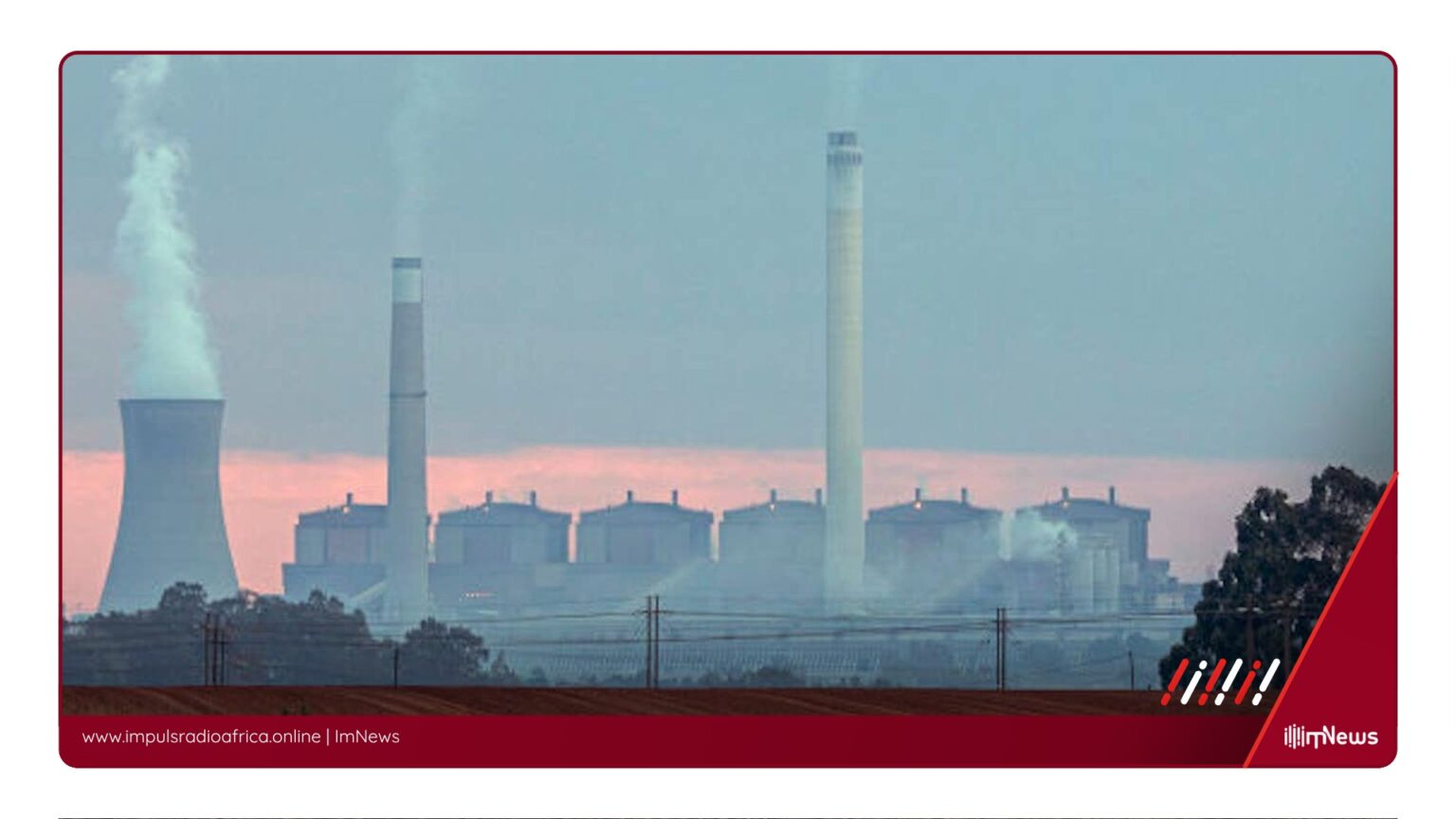
Johannesburg, South Africa — South Africa’s Supreme Court of Appeal has ordered the country’s state-owned electricity utility, Eskom, to disclose its contracts with coal and diesel suppliers. This decision marks a significant victory for transparency in a sector that has been shrouded in secrecy, financial instability, and weak public trust. Eskom, which generates approximately 90% of the nation’s electricity, primarily through coal, spends around R70 billion (US$4.
16 billion) annually on coal and its transport. Until now, these contracts have remained confidential.
The case originated in 2024 when South Africa’s High Court directed Eskom to reveal all its coal and diesel contracts. However, Eskom appealed the ruling. On March 23, 2026, the Supreme Court of Appeal upheld the High Court’s decision, rejecting Eskom’s claim that commercial secrecy was justified. The court emphasized that the public has a right to know how public funds are spent and that vague claims of commercial secrecy are insufficient in such cases.
The ruling, brought by AfriForum, a pressure group advocating for Afrikaners’ rights, is significant for society as a whole. South Africa has an access to information law that grants individuals the right to request and receive state records. Over the past two decades, the South African government has guaranteed about R350 billion (US$20.
7 billion) of Eskom’s debt, eventually taking over R230 billion (US$13. 7 billion).
The court’s decision is a reminder of the importance of transparency in a country addressing an electricity crisis characterized by supply shortages, rising costs, and weak public trust. It also reinforces the principle that when a public body holds information, openness is mandatory by default, and secrecy is the exception that must be justified.
The judges highlighted that coal and diesel prices are widely known and that Eskom procures these fuels through open, competitive tender processes. They also dismissed concerns that disclosure would harm Eskom’s future bargaining position or encourage collusion, noting that Eskom failed to provide concrete evidence to support these claims.
The ruling is expected to make it more challenging for Eskom — and potentially other state bodies – to conceal public-interest documents behind claims of commercial harm. It comes at a time when trust in electricity governance is already low, with Eskom facing years of financial troubles and serious corruption allegations.
The latest judgment also addresses the broader trend of South Africans seeking alternative energy sources, such as solar and battery options, due to the unreliability and cost of the formal electricity system. However, for many, the reliance on Eskom and municipal electricity remains a necessity, making transparency in the main system even more crucial.
The court did not declare that every Eskom document must be released to the public. Instead, it clarified that a public body cannot simply invoke “commercial sensitivity” without providing concrete reasons for why disclosure would cause economic harm. This strengthens the ruling by treating openness as the ordinary rule, not a special favor.
The decision reinforces South Africans’ constitutional right to electricity, which is closely tied to dignity, housing, water, health, and basic economic life. It underscores the importance of public scrutiny in a system that is vital to the nation’s well-being.
Source: The Conversation: In-depth analysis, research, news and ideas from leading academics and researchers.