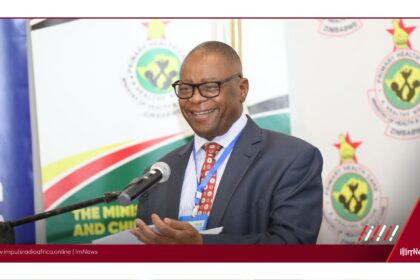
Harare, Zimbabwe — The Airports Company of Zimbabwe (ACZ) has been instrumental in enhancing the nation’s aviation capacity, according to Deputy Minister of Transport and Infrastructural Development, Joshua Kurt Sacco. During an ACZ strategy meeting in Harare, Sacco highlighted the aviation sub-sector as a vital component of the national transport system and a catalyst for trade, tourism, and industrialization. He stressed the importance of aligning ACZ’s priorities with the government’s Transport Sector Investment Plans (TSIP) and broader infrastructure financing reforms.
Sacco noted that under the National Development Strategy One (NDS1), the government prioritized infrastructure-led growth, supported by public investment, concessional financing, and private sector participation. The ACZ’s catalytic investments, including the modernization of Robert Gabriel Mugabe International Airport, have expanded passenger handling capacity from 2.5 million to 6 million annually, enhancing safety and service quality.
The project has also seen the refurbishment of the Buffalo Range Airport runway, the commissioning of a VVIP state pavilion and a satellite fire station at Robert Gabriel Mugabe International Airport, and the procurement of safety, security, and emergency response equipment at major airports. Other milestones include the installation of electrical fencing at Victoria Falls International Airport and the refurbishment of the fire station at Joshua Mqabuko Nkomo International Airport.
Despite the challenges posed by the COVID — 19 pandemic, the aviation sector has shown resilience, with passenger volumes rebounding to approximately 42% above pre-pandemic levels. Sacco also highlighted the operationalisation of Grand Reef Airport, which supports the government’s decentralisation agenda and regional development.
Looking ahead, Sacco called for a focus on project bankability, strategic prioritisation, and alternative financing mechanisms in National Development Strategy Two (NDS2). He encouraged stakeholders to identify and package priority airport projects and align ACZ’s capital programme with national priorities. Investment in terminal development, cargo facilities, real estate, renewable energy, and airport city concepts under PPP frameworks was encouraged. Sacco also emphasized the importance of integrating green financing and climate-resilient infrastructure into aviation investments and prioritizing air cargo development and multimodal linkages.
Source: Panafricanvisions