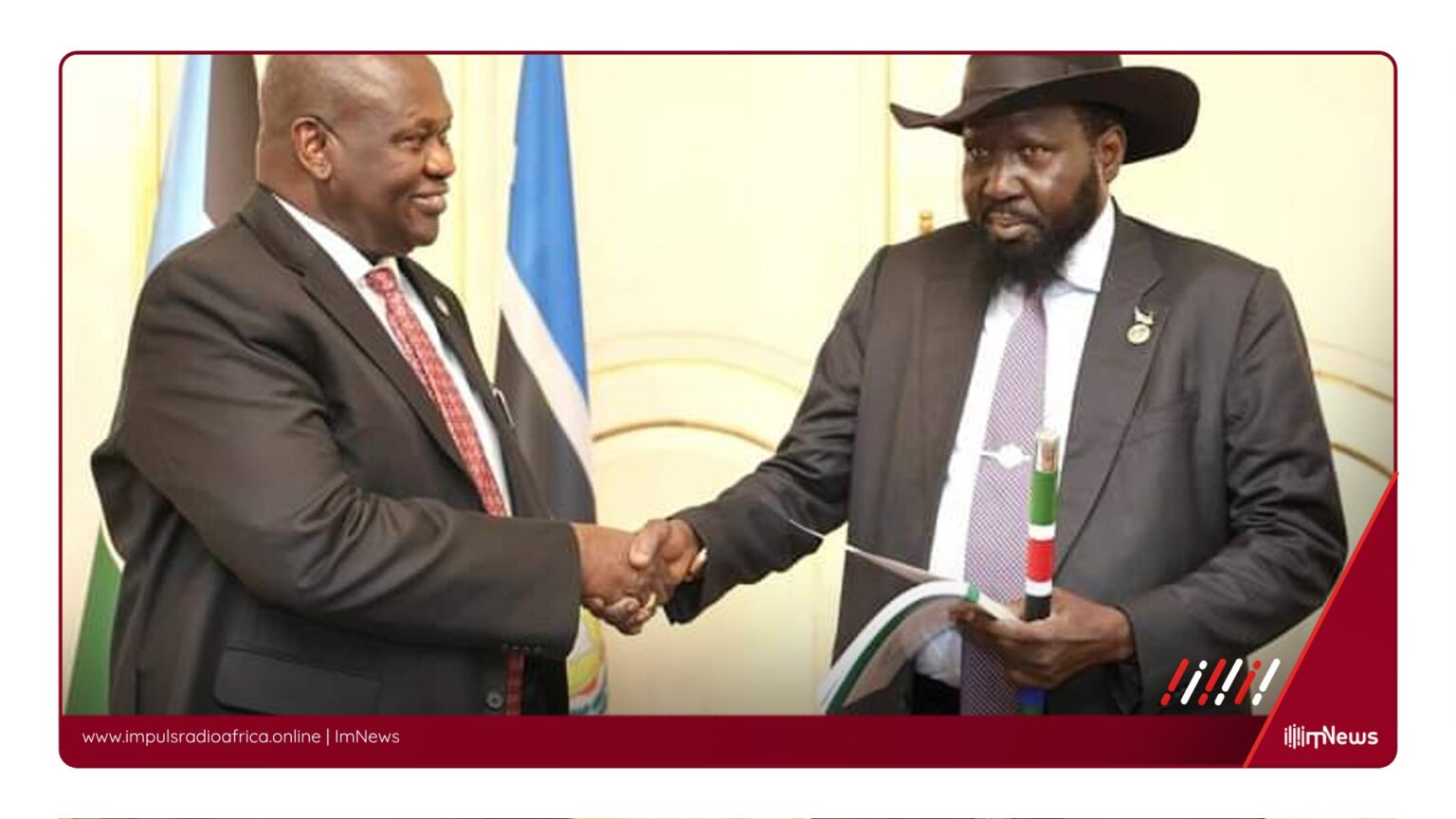
JUBA — The United States Embassy in Juba has issued a strong appeal to the government of South Sudan, led by President Salva Kiir, to release detained opposition leader Riek Machar and to undertake necessary political reforms ahead of the upcoming elections. The Embassy’s statement on Monday emphasized that credible elections cannot be conducted under the current circumstances.
The Embassy highlighted the importance of a political environment that fosters dialogue among the parties to the Revitalized Agreement on the Resolution of the Conflict in South Sudan. This dialogue is crucial, as the statement pointed out, for genuine dialogue to occur when key leaders like Machar, who heads the second-largest party to the peace deal, are not imprisoned.
Washington has underscored that the implementation of critical political reforms is essential for rebuilding trust and ensuring that elections contribute to long — term stability rather than exacerbating divisions. The Embassy also emphasized the need for the transitional government to assume financial responsibility for funding the electoral process, including meeting basic obligations such as paying civil servants and delivering public services.
The U. S. Warned that its support for the elections, including any assistance provided through the United Nations, would hinge on the South Sudanese government’s willingness to commit its own resources to the electoral process. The Embassy made clear that while it does not seek to impose a political model, its core priorities are peace, responsible use of public funds, and an end to the misuse of international assistance.
South Sudan’s elections, originally scheduled under the 2018 peace agreement, have been repeatedly postponed, fueling concerns among international partners about the country’s fragile political transition. The U. S. Has renewed its call for decisive action from the South Sudanese authorities, emphasizing that the people of South Sudan have waited long enough for peace and urging the government to honor its commitments to its citizens.
Source: Panafricanvisions