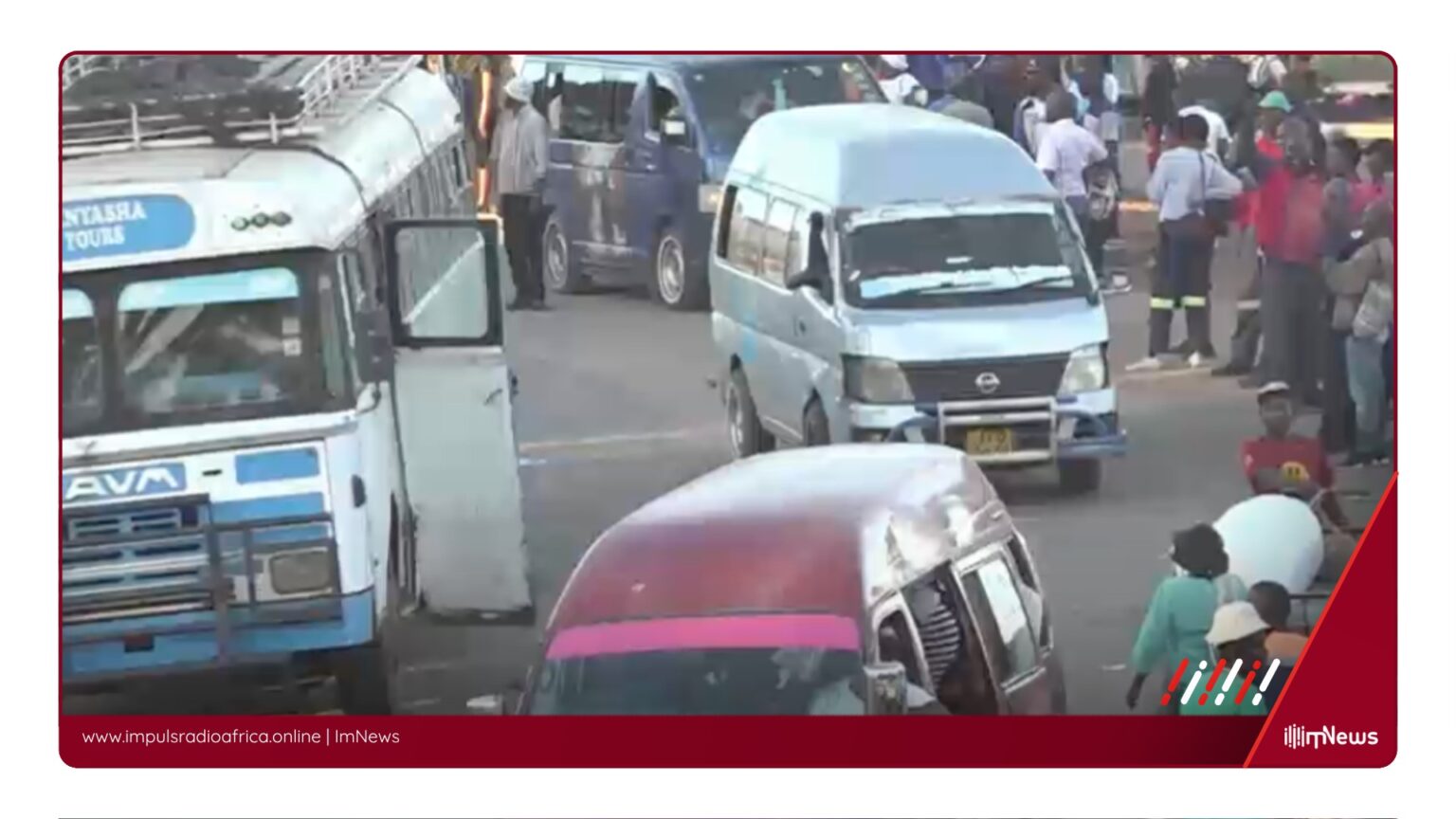
The bustling streets of Zimbabwe have been hit by a severe public transport crisis, as a 70% increase in fares has left countless commuters stranded and struggling to afford basic necessities. The sudden hike in fuel prices, which have soared by 70% since the beginning of the year, is the primary cause of the fare increase. This has not only disrupted the daily routines of citizens but also contributed to the rising costs of basic food items.
The situation has become so dire that many residents have resorted to alternative, often unsafe means of transportation, such as walking or hitchhiking, to reach their destinations. This has led to a significant increase in traffic congestion and safety concerns. “The cost of living has skyrocketed, and the public transport system is no longer affordable for most people, “said a local resident, who requested anonymity. “.
We are forced to walk long distances or take risky rides with strangers just to get to work or school.”The crisis has also had a profound impact on businesses, as employees struggle to reach their places of work. “This is affecting our operations significantly, “said a small business owner in the capital, Harare. “.
Employees are late or absent due to the transportation challenges, and we are unable to meet our delivery schedules.”The government has acknowledged the severity of the situation and has promised to address the issue. However, concrete measures and timelines have yet to be announced. “.
We are aware of the challenges faced by the public transport sector and are working on solutions to alleviate the burden on commuters, “said a statement from the Ministry of Transport and Infrastructure Development.
The public transport crisis in Zimbabwe serves as a stark reminder of the broader challenges faced by the country’s economy, which has been struggling with hyperinflation and economic instability. The situation underscores the need for sustainable and affordable transportation solutions that can support the growing population and contribute to the country’s development.
The ongoing public transport crisis in Zimbabwe highlights the urgency for effective and affordable transportation solutions. As the government seeks to address the issue, the impact on the daily lives of citizens remains a pressing concern.
Source: Zimbabwe Ministry of Transport and Infrastructure Development