US Envoy Delegation Engages Hamas in Cairo Amidst Gaza Ceasefire Strain. City, Country — Cairo, Egypt — March 17, 2026 A delegation from President Donald Trump’s “Board of Peace” held unprecedented talks with Hamas representatives in Cairo over the weekend, seeking to stabilize the fragile ceasefire in the Gaza Strip.
The meeting comes amidst heightened tensions following the regional war that began on February 28, with Israeli and US military operations against Iran and subsequent Iranian retaliations.
According to reports, the envoys aimed to safeguard the “ceasefire,” which has been under severe strain since the regional conflict escalated.
In response to the talks, Israel announced the partial reopening of the Rafah border crossing between Gaza and Egypt on Wednesday, a crucial pedestrian lifeline outside direct Israeli control that had been closed due to the Iran offensive. Despite the diplomatic efforts, violence in the Gaza Strip persists.
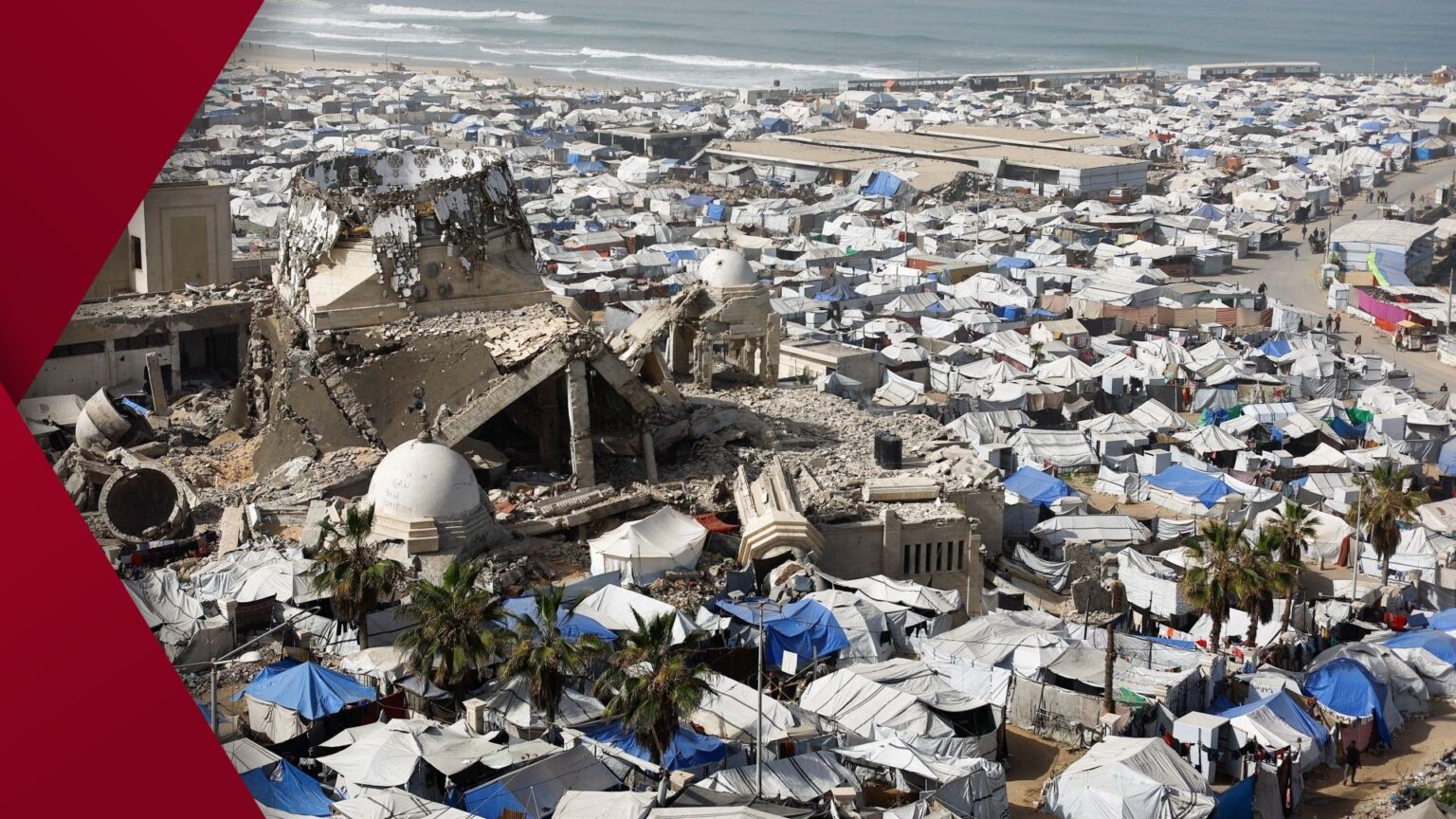
Israeli strikes on Sunday resulted in the deaths of at least 13 Palestinians, including two boys, a pregnant woman, and nine police officers, highlighting Israel’s military presence in the territory.
Abdullah Aqrabawi, a Palestinian political analyst, commented on the significance of the meeting, noting that Washington’s engagement with Hamas reflects a realistic acknowledgment of the group’s role as the primary military, political, and social actor in Gaza.
However, Aqrabawi cautioned against viewing the meeting as a fundamental shift in US policy, emphasizing that diplomatic meetings under the Trump administration do not equate to political recognition.
The ultimate goal of these talks, Aqrabawi explained, is to empower a newly formed technocratic committee in Gaza to build a social base capable of challenging Hamas. Initial reports suggested that Hamas had threatened to abandon the “ceasefire” if Gaza border restrictions continued, using the regional chaos of the Iran war to force Israel’s hand. Aqrabawi dismissed this, noting that Hamas has consistently expressed a desire to avoid full-scale war.
Prior to the regional escalation, Trump’s flagship Middle East initiative—a 20-point plan for Gaza—had partially halted mass killings and secured the release of Israeli military captives and some Palestinian prisoners.
In exchange, Hamas accepted a ceasefire that left the Israeli military occupying more than half of the enclave.
However, the second phase of Trump’s plan, which hinges on Hamas laying down its weapons in exchange for amnesty and reconstruction, remains deadlocked.
As the US and Israel focus on the Iran conflict, they are likely intensifying pressure on Hamas to secure a swift, enforceable victory in Gaza. Yet, Hamas remains resolute in its view of its weapons as essential for resisting the occupation and forming the foundation of future Palestinian security institutions. For the Palestinians trapped inside the Gaza Strip, the partial reopening of the Rafah crossing is not a diplomatic breakthrough but a temporary respite in a besieged territory where daily survival remains tied to the demands of military occupation.