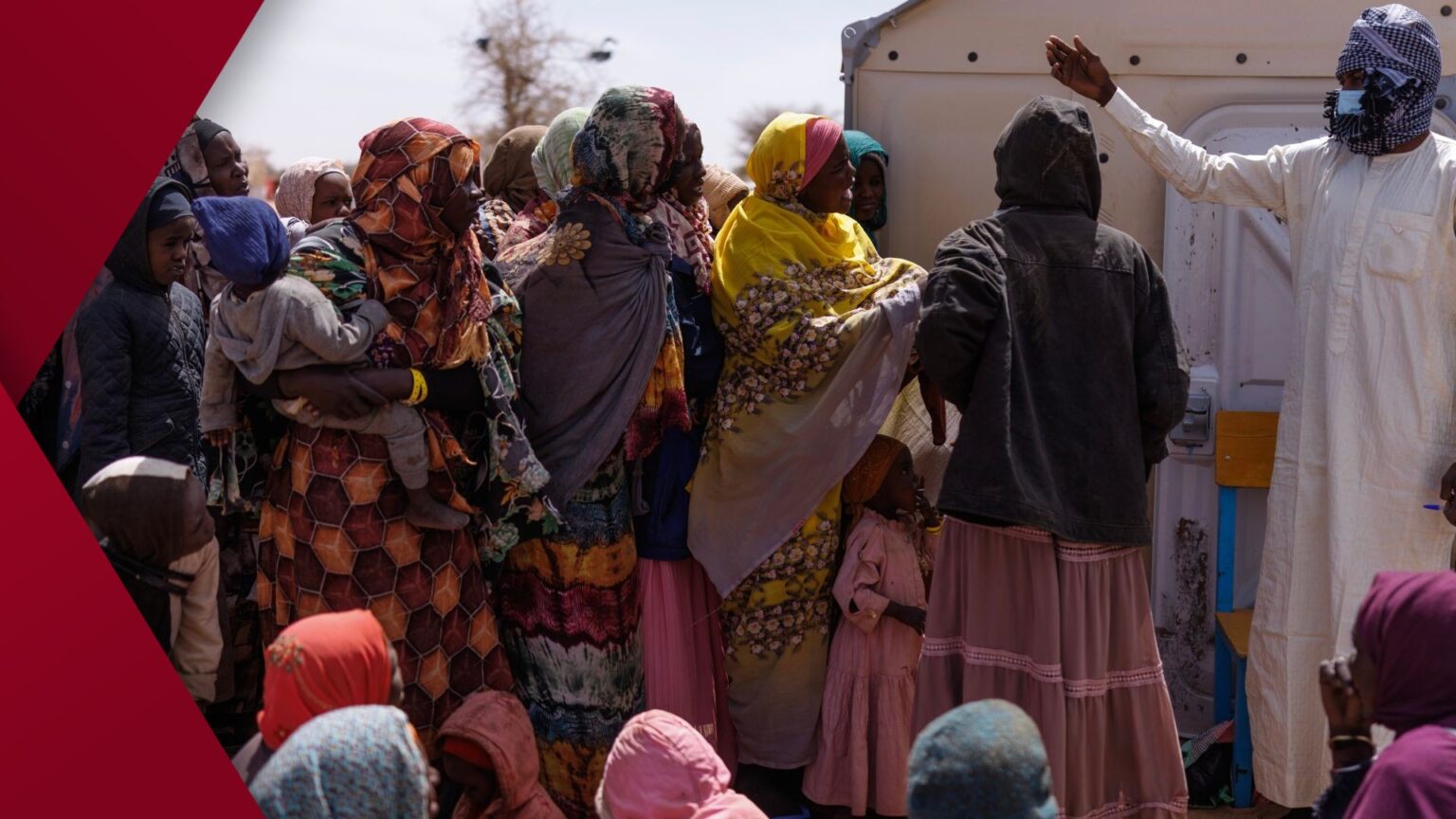
Sudan’s Civil War Enters Fourth Year Amidst Regional Tensions. Khartoum, Sudan — Sudan’s civil war is approaching its fourth anniversary, with no signs of a resolution in sight.
The conflict, which has already taken a heavy toll on Sudanese civilians, is increasingly becoming a regional issue, with various countries supporting the opposing factions.
This regional involvement complicates any potential peace efforts and risks escalating into a wider conflict in the Horn of Africa.
The war has seen the Sudanese army and the paramilitary Rapid Support Forces (RSF) engaged in fierce battles, with the front lines shifting across various regions. Currently, the conflict is concentrated in west-central Kordofan, where neither side has been able to achieve a decisive victory.
The regionalization of the conflict has drawn in neighboring countries, with some supporting the Sudanese army and others backing the RSF.
The Sudanese army has received backing from Egypt, Eritrea, Turkey, Qatar, Iran, and Saudi Arabia, with the United Nations and the Arab League recognizing army chief Abdel Fattah al — Burhan as Sudan’s head of state.
On the other side, the RSF has been supported by the United Arab Emirates, which has provided financial, military, and logistical assistance.
The geostrategic position of Sudan, situated at the crossroads of the Red Sea, the Horn of Africa, the Sahel, and North Africa, has made it a focal point for regional powers. For some, the war is not just about Sudan but also about their own national security interests and the projection of influence in a rapidly changing and contested regional order.
The African Union and the United Nations have attempted to mediate the conflict, but progress has been slow.
In September 2025, the Quad — consisting of the United States, Saudi Arabia, the UAE, and Egypt — proposed a roadmap to end the war.
However, tensions between Saudi Arabia and the UAE have overshadowed these efforts, with both countries backing different factions in Sudan.
The US remains central to the push to end the war, but the ongoing conflict with Iran and the retaliatory strikes by Tehran have raised doubts about the Quad’s ability to make progress in the short term.
Despite these challenges, there is hope that a shared security threat could prompt Riyadh and Abu Dhabi to set aside their differences and focus on ending the Sudanese conflict.
As the war enters its fourth year, the need for a peaceful resolution becomes more urgent.
The international community, including African and other regional leaders, must work together to find a way to end the conflict and prevent it from spreading further into the Horn of Africa.
Further details are expected as the situation continues to develop.