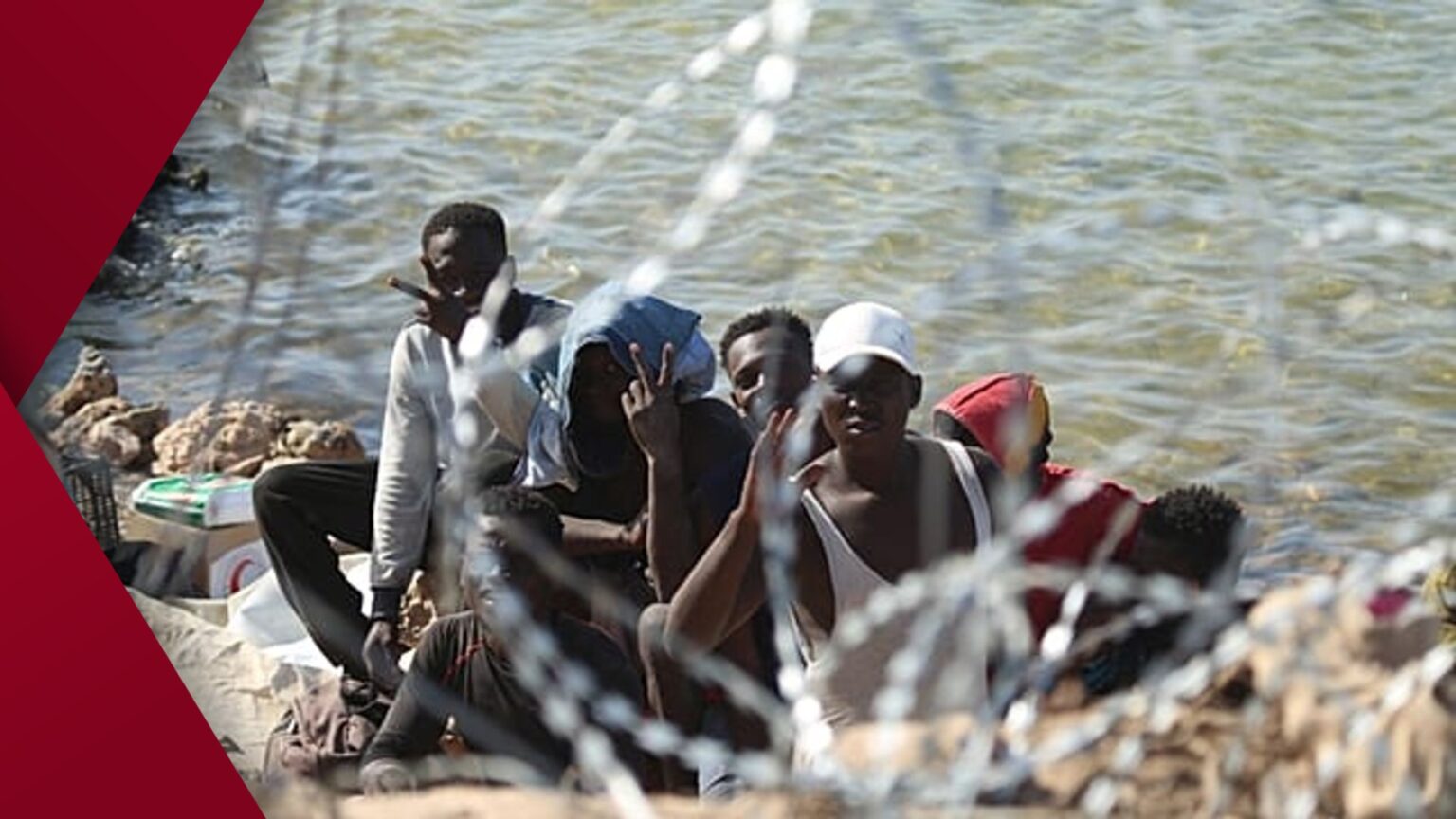
UN Calls on Libyan Authorities to Protect Migrant Rights. New York, USA — February 17, 2026 — The United Nations has issued a call to action, urging both the UN-backed government and the rival administration in Libya to implement immediate reforms to safeguard the rights and dignity of migrants and refugees within the nation.
The call comes as part of a comprehensive report released by the UN Human Rights Office and the UN Support Mission in Libya on Tuesday.
The report details a harrowing situation faced by migrants, refugees, and asylum seekers in Libya, who are subjected to systemic rights violations and abuses, including murder, torture, sexual violence, and human trafficking. It highlights the involvement of trafficker networks that are often linked to authorities and criminal organizations, creating an “exploitative model “that exploits the “heightened vulnerability “of these populations. Since the fall of dictator Muammar Gaddafi in 2011, Libya has emerged as a crucial transit point for migrants seeking to cross the Mediterranean to Europe, escaping conflict and poverty.
The situation has facilitated a surge in human trafficking and abuses against these individuals, particularly involving extortion and slavery.
The report outlines four patterns of violations and abuses, including illegal sea interceptions, slavery, sexual and gender — based violence, torture, and enforced disappearance. It demands the immediate release of those arbitrarily detained in official and unofficial detention centers across Libya, estimated to be around 40 sites.
By the end of 2025, nearly 5,000 individuals were held in official centers, but NGOs believe the true number is significantly higher.
The UN report is based on interviews with nearly 100 migrants, asylum seekers, and refugees from 16 countries in Africa, the Middle East, and South Asia.
The UN and international NGOs have called for a moratorium on the return of migrants to Libya until human rights are adequately ensured.
The report also advocates for a comprehensive approach to tackle the root causes of migration and to address the plight of those caught in the crossfire. Regional officials have not yet commented on the UN’s findings and recommendations.
However, the situation remains a critical concern for international human rights bodies, and further action is anticipated.