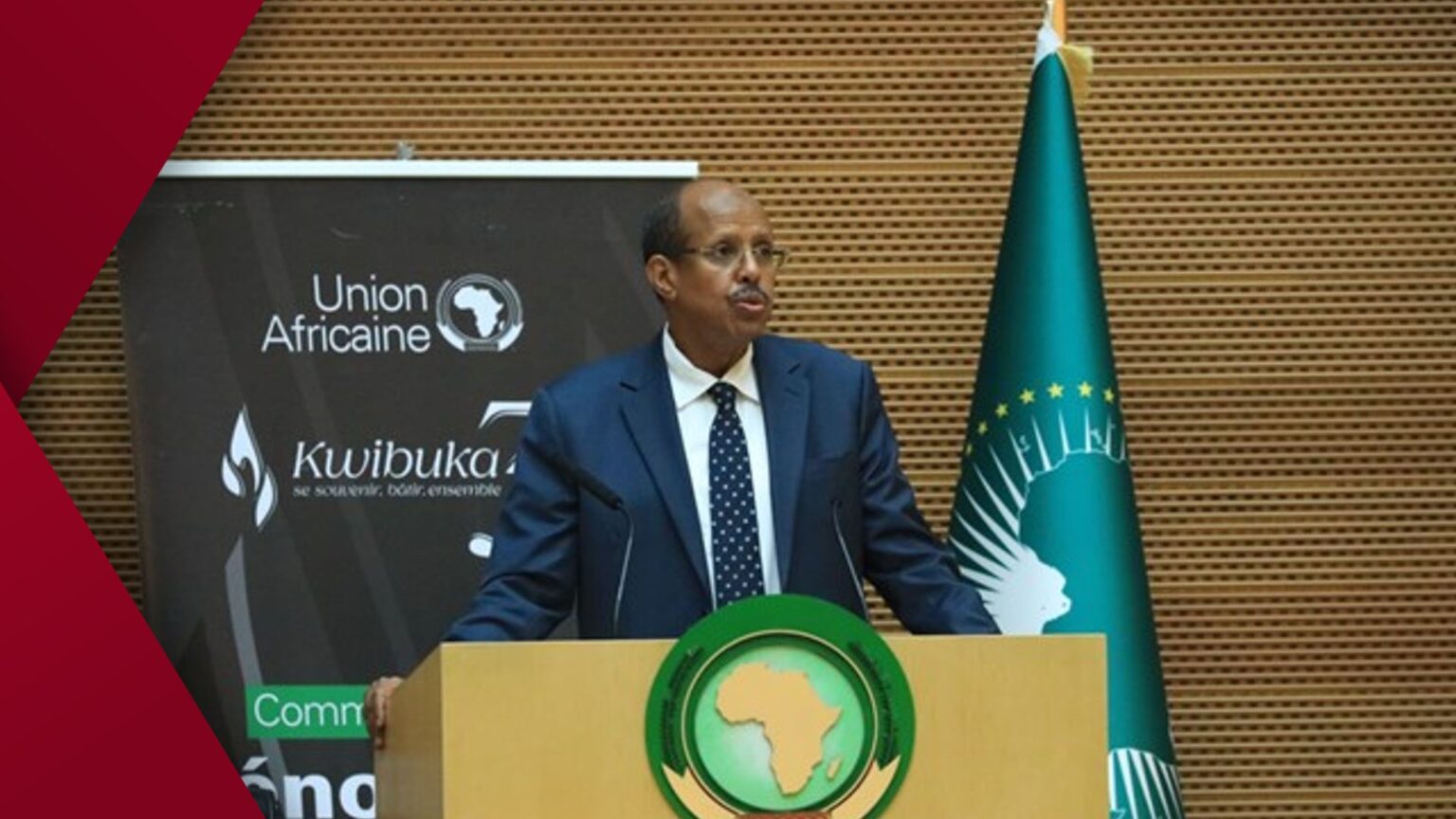
Africa at a Crossroads: The AU’s Challenge, Youth Movements, and Foreign Influence. City, Country — The African Union (AU) is at a pivotal juncture as it navigates a complex landscape of internal reform, youth activism, and external geopolitical dynamics. Mahmoud Ali Youssouf, the chairperson of the AU, addressed these issues at the opening of the 48th Executive Council session, highlighting the need for institutional strengthening and regional integration.
Youssouf emphasized the importance of shared resources like water and sanitation in the face of climatic stress and welcomed Gabon and Guinea back to constitutional order. He acknowledged ongoing terrorism and instability in certain African regions and underlined the African Continental Free Trade Area (AfCFTA) as a key driver of economic integration.
However, for many Africans, these statements seem disconnected from their daily lives.
The rise in political violence across the continent over the past two decades, according to data from groups like ACLED and the UN, underscores the urgency of these issues. While some countries, such as Senegal, Botswana, Ghana, and Cabo Verde, demonstrate stable democracies, others face coups, insurgencies, or prolonged political crises.
The AU’s challenges are systemic, involving funding issues, reliance on member states for peace missions, and external donors.
The shift in military equipment procurement from traditional Western partners to Turkey, China, Iran, and the UAE reflects changing geopolitical landscapes but also raises concerns about the impact of arms on regional stability. Africa’s youth, accounting for 70% of the continent’s population, are at the forefront of this change. They utilize technology and social media to organize protests and challenge authoritarian regimes.
Youth activism in Tanzania and Uganda indicates a potential for transformative change, though it also faces suppression and exhaustion.
The changing political situation in Africa is characterized by the increasing influence of external powers. Turkey, for instance, seeks to expand its market presence and strategic power, while the UAE aims to enhance its influence in the Red Sea and Horn of Africa.
Iran views Africa as a battleground in its conflict with the West, and China combines infrastructure investments with security cooperation.
The African Union is striving to evolve from a diplomatic forum to a force for change.
However, it is constrained by legal, financial, and political challenges.
The AU’s ability to respond effectively to crises, control new technologies, and protect civilians is hindered by the need for consensus among member states.
The African Union faces a critical choice: to become a supranational body with enforceable legal power, a robust Peace Fund, and a continental rapid-response force, or to continue as a platform for diplomacy with limited impact.
The AU’s actions will shape Africa’s future, determining whether power emerges from violence or agreement, and whether the continent’s destiny is decided by its own people or external forces.
Further details are expected as the AU continues its efforts to address these complex challenges.
The future of Africa hangs in the balance, with the AU, its youth, and the continent’s people all playing pivotal roles in the unfolding narrative.