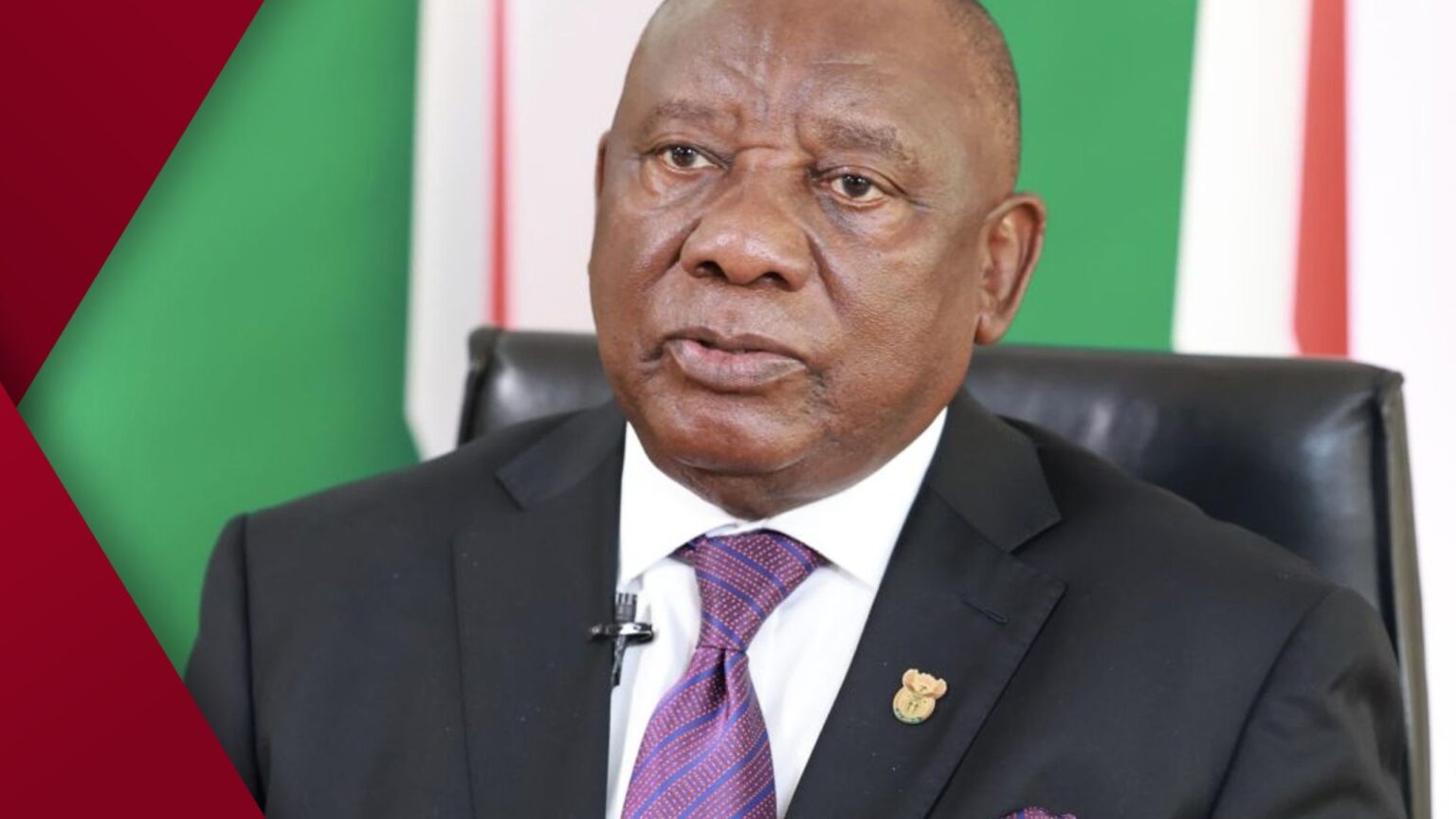
Pretoria, South Africa — President Cyril Ramaphosa used his 2026 New Year address to list modest economic gains and renewed infrastructure spending while acknowledging that unemployment, violence and broken municipal services still dominate daily life for millions. Speaking in a midnight broadcast, the head of state said inflation has cooled, the rand has firmed and a sovereign-credit upgrade secured late last year lowers the cost of government borrowing. Official statements indicate these shifts, together with months free of rolling black-outs, allowed the treasury to lock in a three-year public-finance plan that allocates more than R1 trillion to roads, ports, rail, energy and water projects.
Ramaphosa told listeners the restoration of several freight corridors and improved performance at the state — owned utility Eskom show “the foundation for even better progress” is being laid. At the same time, he conceded that job creation remains too slow, noting that targeted programmes such as the Presidential Employment Stimulus and the Youth Employment Service have so far delivered “thousands” of income opportunities and 200,000 work-experience placements in partnership with private firms. Crime and corruption featured prominently in the speech.
According to the government, the Special Investigating Unit and Asset Forfeiture Unit have recovered billions of rand in stolen public money over the past 12 months, while police task teams have recorded arrests linked to illegal mining, construction-site extortion and infrastructure theft.
The president said reforms recommended by the Madlanga Commission are being rolled out to strengthen investigative bodies and rebuild public trust.
On social issues, Ramaphosa described gender — based violence as a national scar and urged “men of South Africa to respect and honour” women and children.
He also criticised frequent interruptions to water, refuse and electricity services in many towns, saying reliable delivery remains an “overriding priority. ” The address closed with a call for unity, comparing the country to “a river fed by many streams” that must converge despite political and cultural differences.
He invited citizens to take part in the recently launched National Dialogue, a consultative process intended to shape policy for the next phase of the country’s democracy.
Officials have not released timelines for the full rollout of the infrastructure programme or updated targets for youth employment. Further details are expected when Parliament reconvenes next month.