


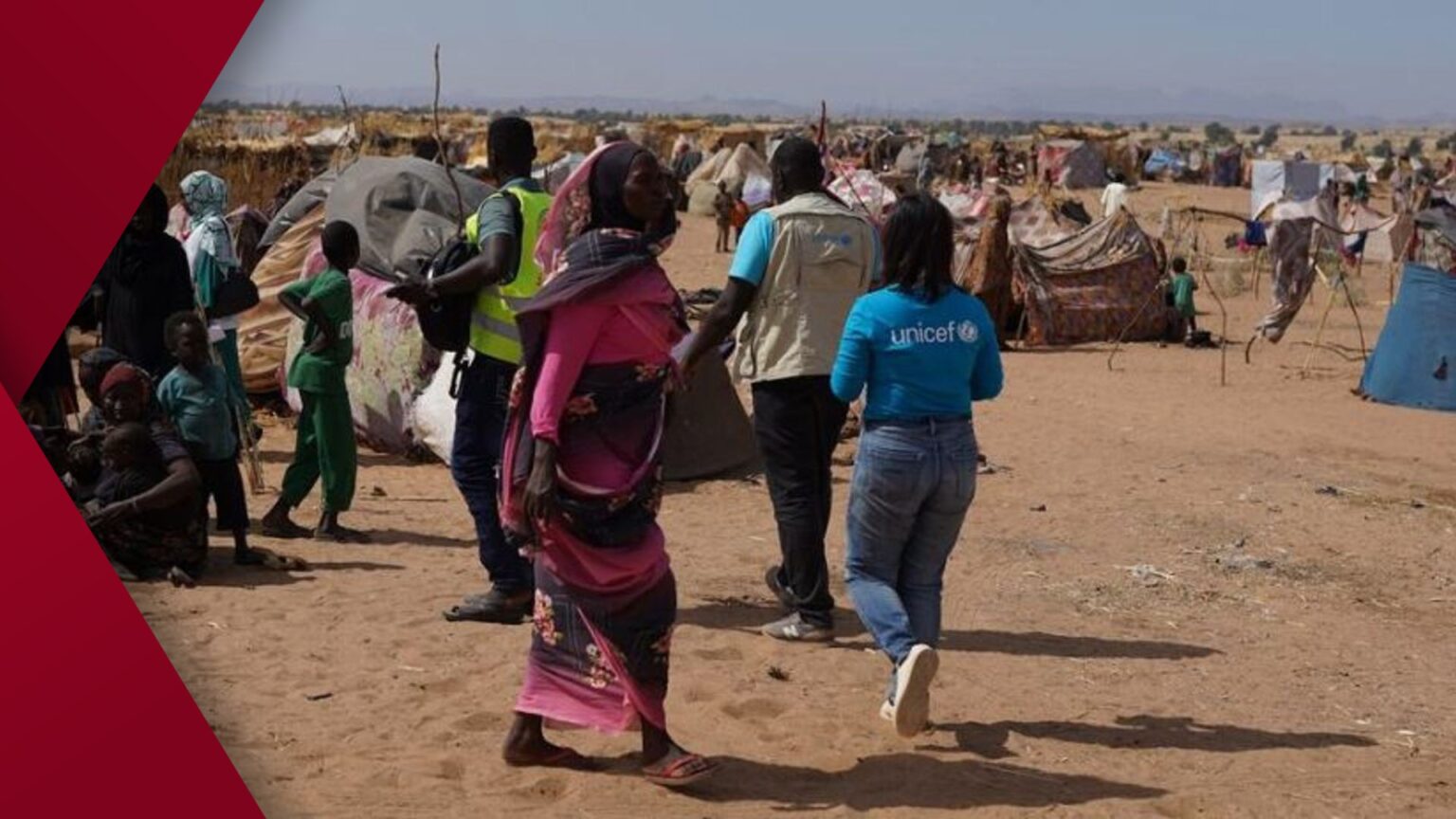
Sudan Marks 1,000 Days of War: A Failure to Prevent Mass Atrocities. Khartoum, Sudan — As Sudan commemorates 1,000 days of conflict, the situation has degenerated into one of the world’s largest humanitarian crises. Despite ongoing violence, particularly targeting Christian and Black African minorities, there appears to be a lack of international efforts to prevent mass atrocities and achieve peace.
According to Lord Alton of Liverpool, a British parliamentarian, there is an absence of concerted diplomatic engagement aimed at resolving the conflict. He warns that the suffering of Sudanese civilians remains unchecked and shows no sign of abating.
The conflict has seen its main battlegrounds shift from Darfur to the Kordofan region, where the situation has worsened significantly.
A church in Julul was attacked on Christmas Day, resulting in 12 deaths and 19 injuries.
The United Nations International Organization for Migration estimates that 67,000 individuals have fled the region’s violence, joining the one million internally displaced persons already present. El Obeid, Dilling, and Kadugli, key towns in Kordofan, have been engulfed by fierce fighting and blockades, impeding the entry of food and medicine.
There are fears that the region may suffer the same fate as El Fasher, where thousands of unarmed civilians perished in a previous siege.
The roots of the conflict trace back to the 1980s when the Islamist Sudanese regime in Khartoum began targeting Black African and Christian minorities. This was codified into law in 1991 with the introduction of crucifixion as a form of punishment.
Recent events have seen the Sudanese Armed Forces (SAF) and the Rapid Support Forces (RSF) engaging in a brutal campaign of ethnic persecution.
In April 2023, the SAF and RSF turned on each other, vying for control of Sudan’s natural resources.
The RSF has since expelled the SAF from Darfur, leading to increased civilian casualties, human rights abuses, and mass displacement.
The United States has recognized the situation as genocide. Human rights groups estimate that at least 150,000 people have been killed since the conflict began. They attribute the lack of international pressure to a focus on other crises, such as those in Ukraine and Gaza, and the geopolitical interests that seem to hinder concerted diplomatic efforts.
Meanwhile, civilian groups in Sudan continue to provide vital humanitarian support, despite facing deliberate targeting.
The Emergency Response Rooms (ERR), which operates soup kitchens and ad hoc medical facilities, was nominated for the Nobel Peace Prize.
As Sudan reaches the grim milestone of 1,000 days of war, the future remains uncertain.
With continued international inaction, the prospects for peace and an end to the suffering of Sudanese civilians are increasingly bleak. Further details are expected as the situation unfolds.


