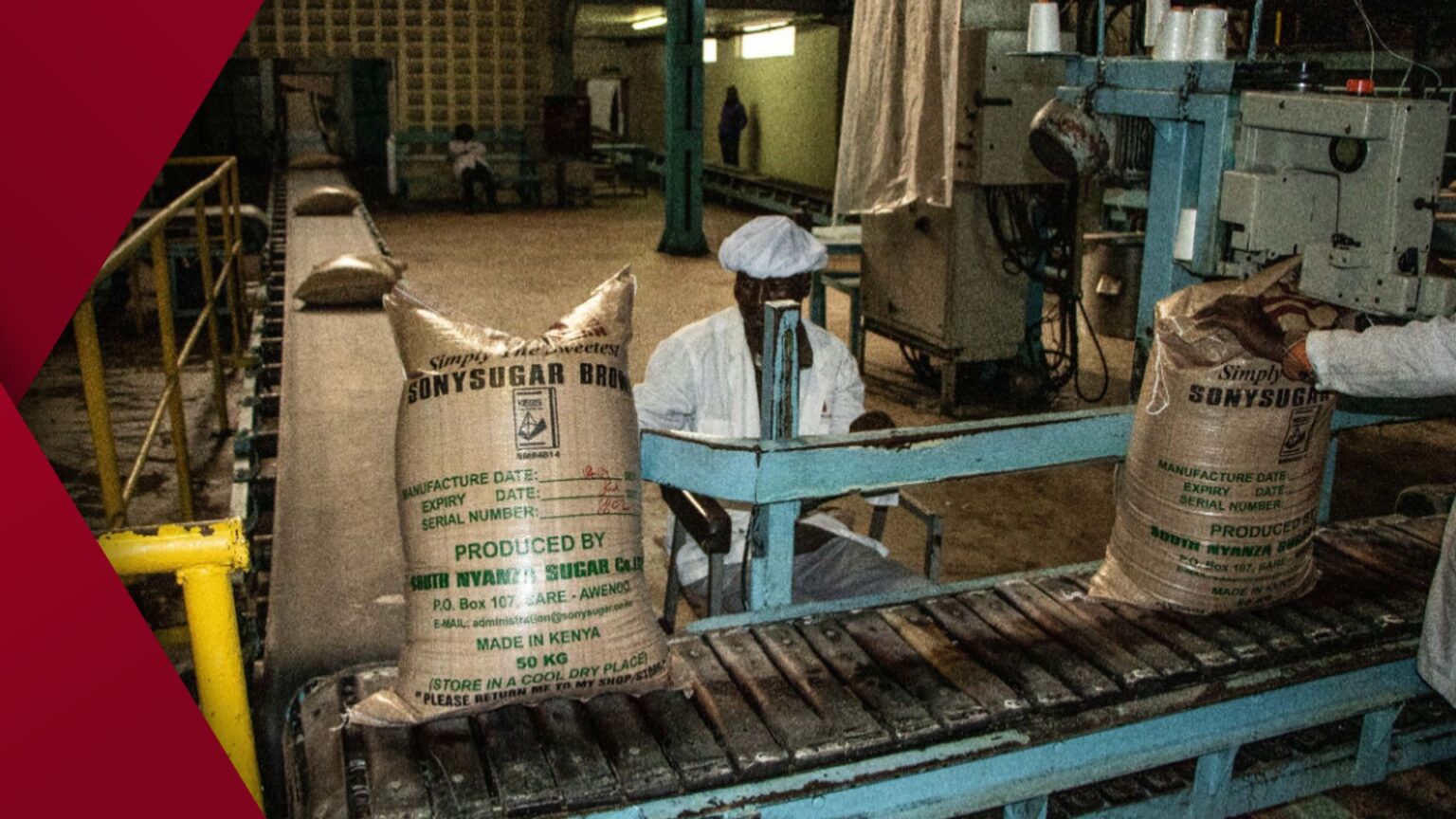
Kenya Welcomes Duty — Free Sugar Imports from COMESA After 24-Year Ban. Nairobi, Kenya — Kenya has opened its sugar market to duty-free imports from the Common Market for Eastern and Southern Africa (COMESA), marking a significant shift in policy after a 24-year ban.
The move aims to improve supply and potentially lower prices for consumers, according to official documents and analyses from global tax and trade experts.
The Tax Laws (Amendment) Act, 2024, was enacted to facilitate this policy change, which includes amendments to several key tax acts to support the new market environment.
The Act was signed into law by President William Ruto on December 11, 2024, reflecting a commitment to enhancing trade and economic relations within the region. Kenya’s sugar market was previously shielded by duties intended to protect local producers.
The removal of these duties and the introduction of duty — free imports from COMESA countries is a strategic move to foster a more competitive market, officials state. Supporters argue that the policy change will boost competition, enhance supply, and lead to more affordable sugar for consumers.
However, some local producers may face increased competition from cheaper imports, raising concerns about their long — term viability.
Regional officials confirmed the shift, highlighting its potential benefits for the Kenyan economy.
According to the United States Trade Representative’s 2025 National Trade Estimate Report, the move is part of a broader trend towards liberalizing trade within the region. Officials commented on the matter. “.
However, “As of now, officials have not yet commented on the specific quantities of sugar that will be imported under the new arrangement. Further details are expected to be provided in the coming weeks.
The government’s decision to open the sugar market to duty-free imports from COMESA is a significant step towards fostering a more competitive and open market within the region.
While the long — term implications for local sugar producers are yet to be determined, the move is seen as a strategic response to the evolving economic landscape.
.
Source: Africa.
*Additional reporting by ImNews | Sources consulted: 5*