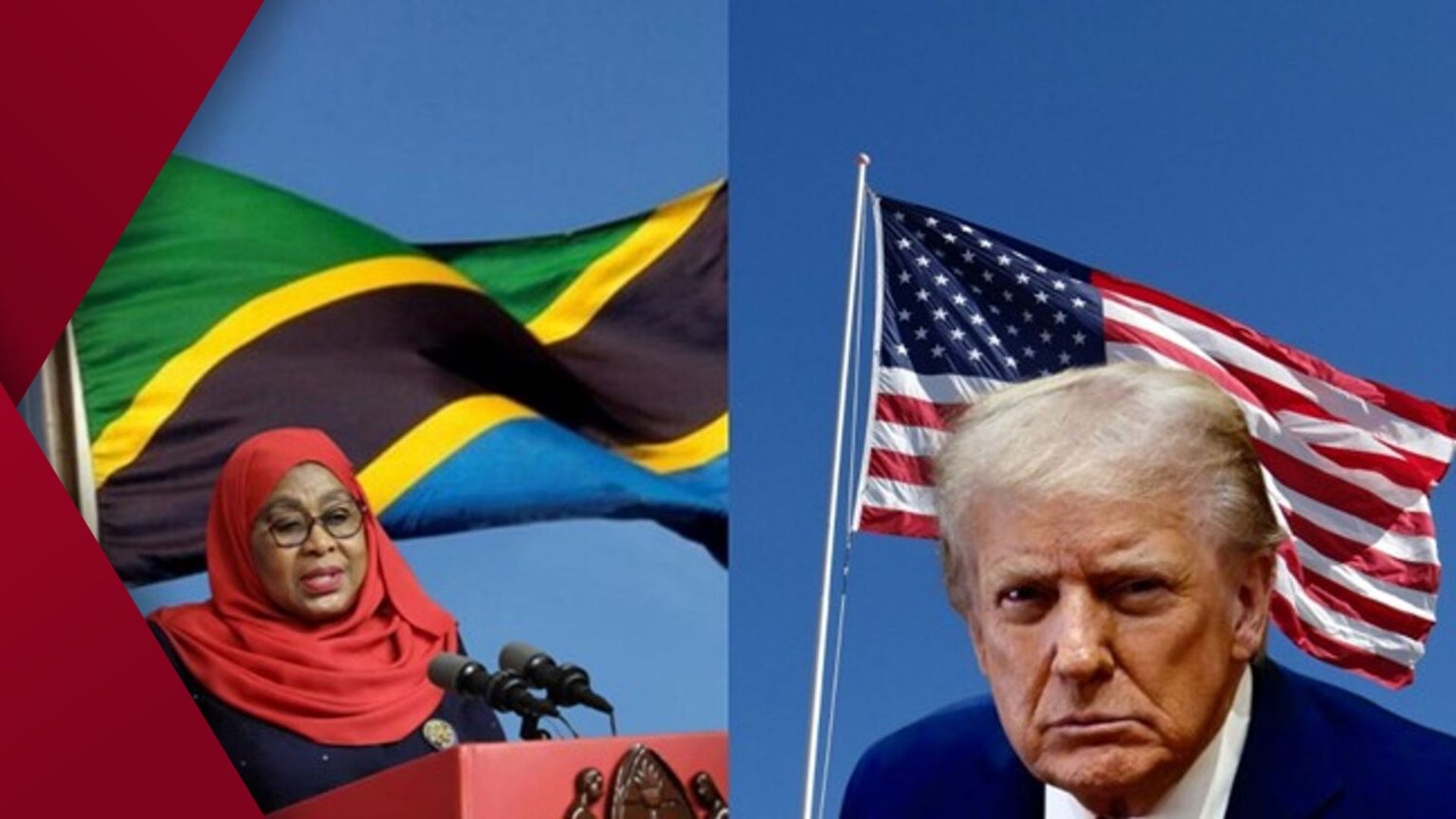
— Lead Paragraph: The United States’decision to impose partial travel and visa restrictions on Tanzania, effective January 1, 2026, underscores the delicate balance between national security and global mobility. Announced by President Donald Trump, the measure targets overstays by Tanzanian visa holders, a move that has sparked a mix of concern and contemplation among the Tanzanian diaspora and international observers.
The restrictions, framed as a response to immigration compliance and national security, are based on U.
S. Assessments that a significant number of Tanzanians have overstayed their visas.
A former senior official at the U.
S. Department of Homeland Security highlighted the importance of addressing these issues to maintain trust in visa systems.
In Dar es Salaam, the impact is felt personally by individuals like a university graduate and a small — scale exporter, who fear the restrictions will disrupt their plans and business relationships.
The policy has also ignited a debate in Tanzania about responsibility and perception, with calls for respecting visa conditions alongside frustration over the consequences of a few individuals’actions affecting the entire nation. Tanzania’s response has been one of cautious engagement, with officials emphasizing the need to improve consular processes and national identification systems.
A retired Tanzanian diplomat described the consultations with Washington as “firm but respectful.”.
Internationally, the decision is being watched closely. Analysts in European capitals view it as part of a broader trend of tightening immigration policies, while cautioning against public announcements that could harden attitudes.
The grouping of Tanzania with other countries on the list has drawn scrutiny, with some noting the varied migration profiles and economic factors at play.
An economist at a U. S. University pointed out that overstay rates are influenced by limited legal options for long-term mobility and fluctuating job markets.
Within Tanzania, there is a growing awareness of the economic implications, particularly in education and professional training.
An education policy expert in Cape Town warned of the potential for temporary uncertainty to redirect talent elsewhere.
The situation remains fluid, with officials in Washington emphasizing that the restrictions are reversible with demonstrated improvements.
For now, the focus is on ongoing diplomacy and technical reforms.
As the implementation date approaches, the outcome of this policy shift remains uncertain. It will depend on the tone of diplomacy and the speed of reforms.
For those directly affected, the stakes are personal and the future remains in question.