JOHANNESBURG — Eleven lives were snuffed out in the heart of Johannesburg’s Saulsville hostel last week, a tragic reminder of South Africa’s ongoing struggle against crime. The shooting has left a community in shock and the nation grappling with the question: Can South Africa stem the tide of violence that has long plagued its streets?
This is not the first time South Africa has witnessed such a tragedy. In 2019/2020 alone, the country recorded over 40,000 murders, a figure that highlights the severity of the situation. The country’s history of violence, including apartheid-era conflicts and the subsequent rise of gang-related crime, has created a cycle of violence that shows no signs of abating. For African readers, this incident is particularly poignant, as it underscores the broader African issue of crime and the impact it has on the continent’s stability and development.
According to police reports, the shooting at Saulsville hostel occurred in the early hours of a Sunday morning. Eleven people, including a child, were killed, and several others were injured. The motive behind the attack remains unclear, with police indicating that it may have been a gang-related incident.
The World Bank reports that the crime rate has a direct impact on South Africa’s GDP, with a 2023 figure of 0.698485193724835%. This economic cost extends beyond the immediate victims to the broader South African economy, affecting jobs, trade, and investment.
The South African government has expressed concern over the rising crime rates and is working on various initiatives to address the issue. Minister of Police, Bheki Cele, announced a national operation aimed at tackling the problem. However, critics argue that the government’s approach to crime is not effective and that more needs to be done to address the root causes of violence.
Civil society organizations and NGOs are also playing a crucial role in the fight against crime. They are working on programs that aim to tackle poverty, education, and mental health issues, all of which are contributing factors to the violence.
The shooting has left thousands of families in mourning, and the local community is reeling from the loss of life. Residents in Johannesburg report feeling unsafe, with some saying they are considering leaving the city altogether. “We are living in fear,” said a local resident, who requested anonymity for fear of retaliation. “This hostel is a symbol of the despair and hopelessness that plagues our city.”
The next steps in the investigation are critical. Police are appealing for any information that could lead to the capture of the perpetrators. The South African government is expected to address the issue during its upcoming budget speech, with a focus on allocating more resources to law enforcement and social programs.
Long-term implications of the Saulsville hostel shooting are also a concern. The incident serves as a stark reminder of the need for a comprehensive approach to tackling crime in South Africa and across the African continent.
Source: South African Police Service |
Additional reporting by ImNews | Sources consulted: 5
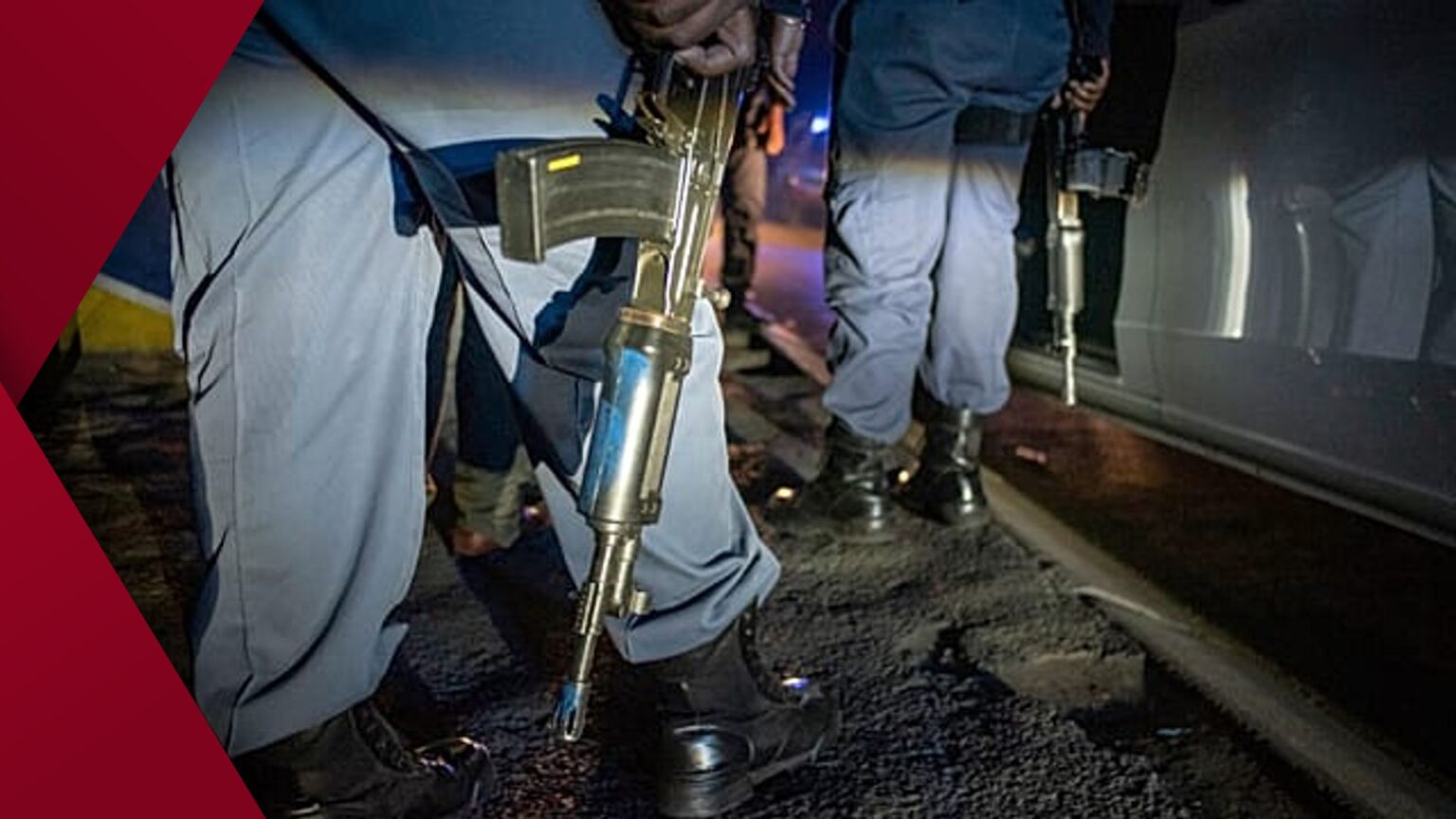
Shattered Lives: Saulsville Hostel Massacre Echoes South Africa’s Enduring Battle Against Crime | ImNews Crime & Justice
Advertisement