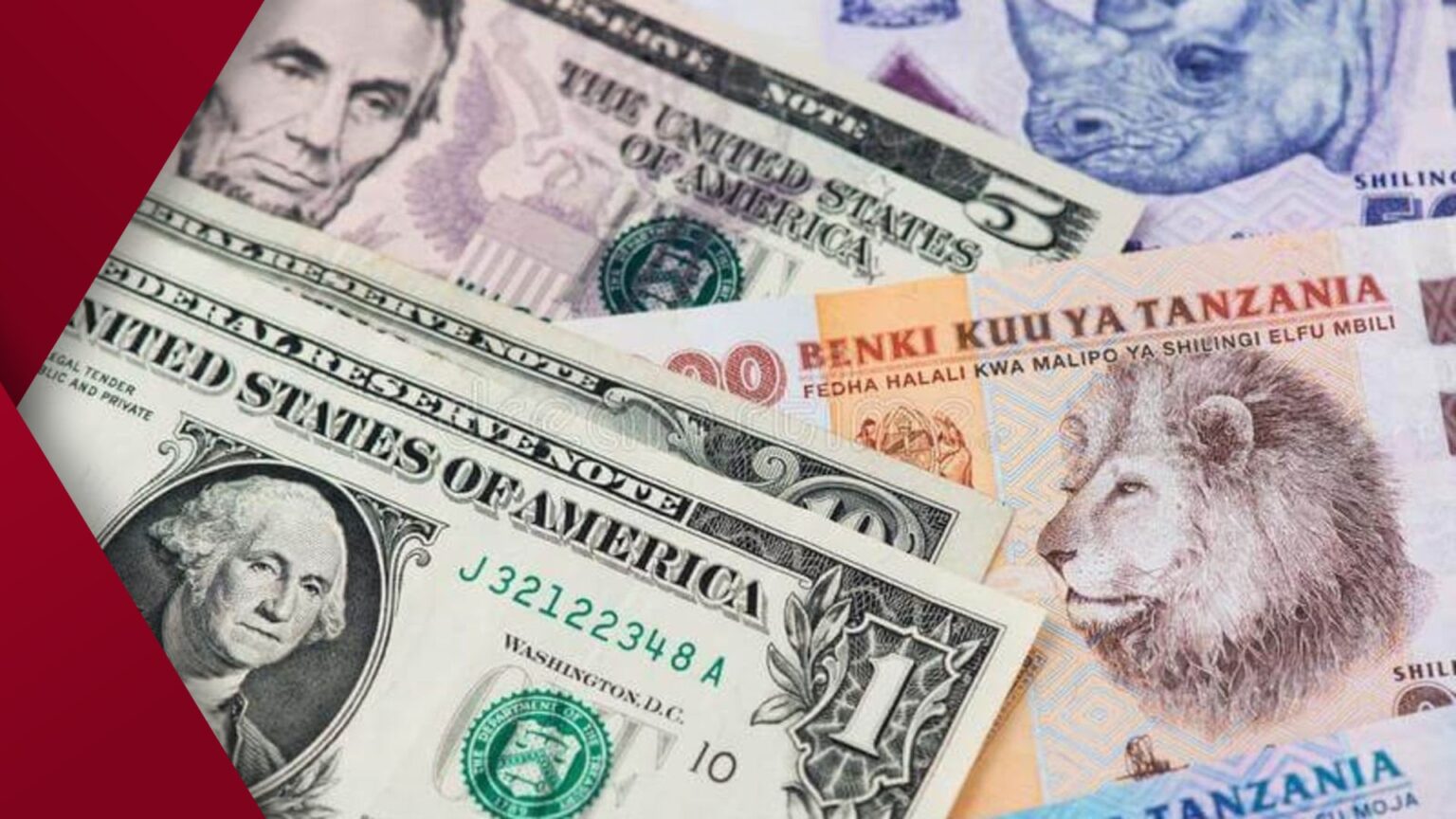
African Economies: 10 Countries with the Weakest Currencies in 2025 City, Country — Global Economic Insights, 2025-12-29 In a year marked by economic volatility and currency fluctuations, a comprehensive analysis reveals the 10 African countries that are addressing the weakest currencies at the end of 2025. This economic situation underscores the broader challenges these nations face, including high inflation rates, widespread poverty, and discouragement of foreign investment.
The countries with the weakest currencies are primarily those with economies heavily reliant on commodities, which have seen a decline in global demand and prices.
Additionally, political instability and poor economic policies have contributed to the depreciation of their currencies. Context.
According to regional officials, several factors have contributed to the weakening of these currencies.
These include falling commodity prices, a decrease in foreign investment, and the impact of global economic uncertainties.
The countries with the weakest currencies are often those with the highest inflation rates, leading to a decrease in purchasing power for their citizens. Weakest Currencies.
1.
Democratic Republic of Congo: The Congolese Franc has experienced significant depreciation due to a combination of political instability and a decrease in mineral exports. 2.
Central African Republic: The Central African Franc has weakened due to economic mismanagement and a lack of foreign investment.
3. Zimbabwe: The Zimbabwean Dollar has been volatile, with frequent devaluations, largely due to economic sanctions and political turmoil.
4.
Burundi: The Burundian Franc has weakened due to economic sanctions and a decrease in aid from international donors. 5.
Sudan: The Sudanese Pound has been affected by the loss of oil revenue and sanctions.
6. Sierra Leone: The Leone has weakened due to the end of the Ebola epidemic, which reduced aid inflows.
7.
Nigeria: The Naira has been under pressure due to falling oil prices and the impact of the COVID-19 pandemic. 8.
Ghana: The Cedi has weakened due to a trade deficit and high inflation.
9. Madagascar: The Ariary has been affected by political instability and a decrease in tourism revenue.
10.
Mozambique: The Metical has weakened due to a decrease in foreign investment and economic mismanagement. Implications.
The weakening of these currencies has several implications. It makes imports more expensive, leading to higher inflation and a decrease in the standard of living for citizens. It also discourages foreign investment, which is crucial for economic growth and development.
Next Steps. Regional officials and international organizations are closely monitoring the situation. They are urging the affected countries to implement economic reforms and stabilize their economies.
Further details are expected as these nations continue to navigate their economic challenges.
.
Source: Africa.